Tools of the Trade

In my Artist’s Q&A post, I shared the tools I couldn’t live without. I thought it would be good to write about these tools in a separate post so you can find out more about them and how and why I use them.

Good to Know: As you become a more experienced embroiderer you will find tools and equipment that work well for you and your craft. The best tools for you might not be what people would recommend and this is okay as it works for you.

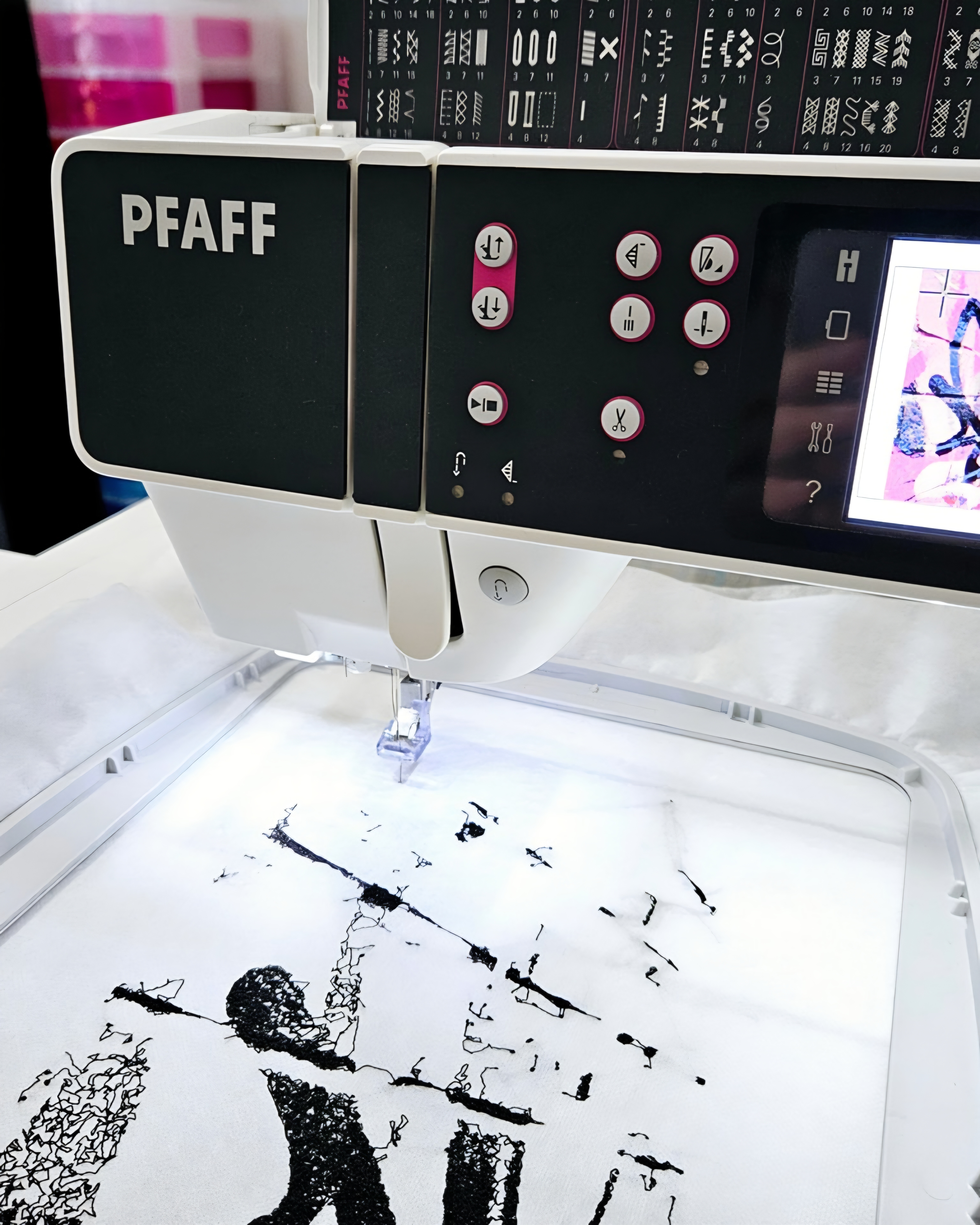
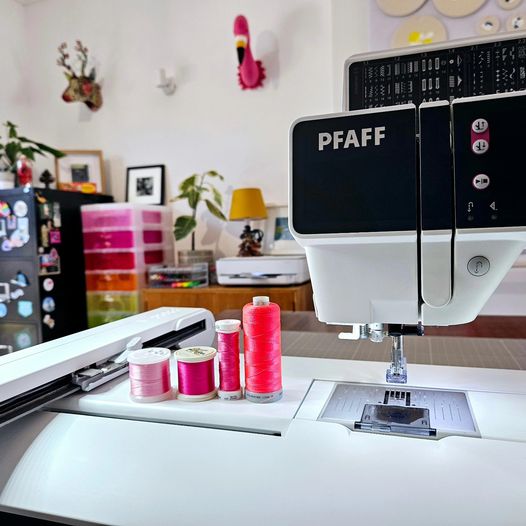
Pfaff Creative 3.0 Embroidery Machine

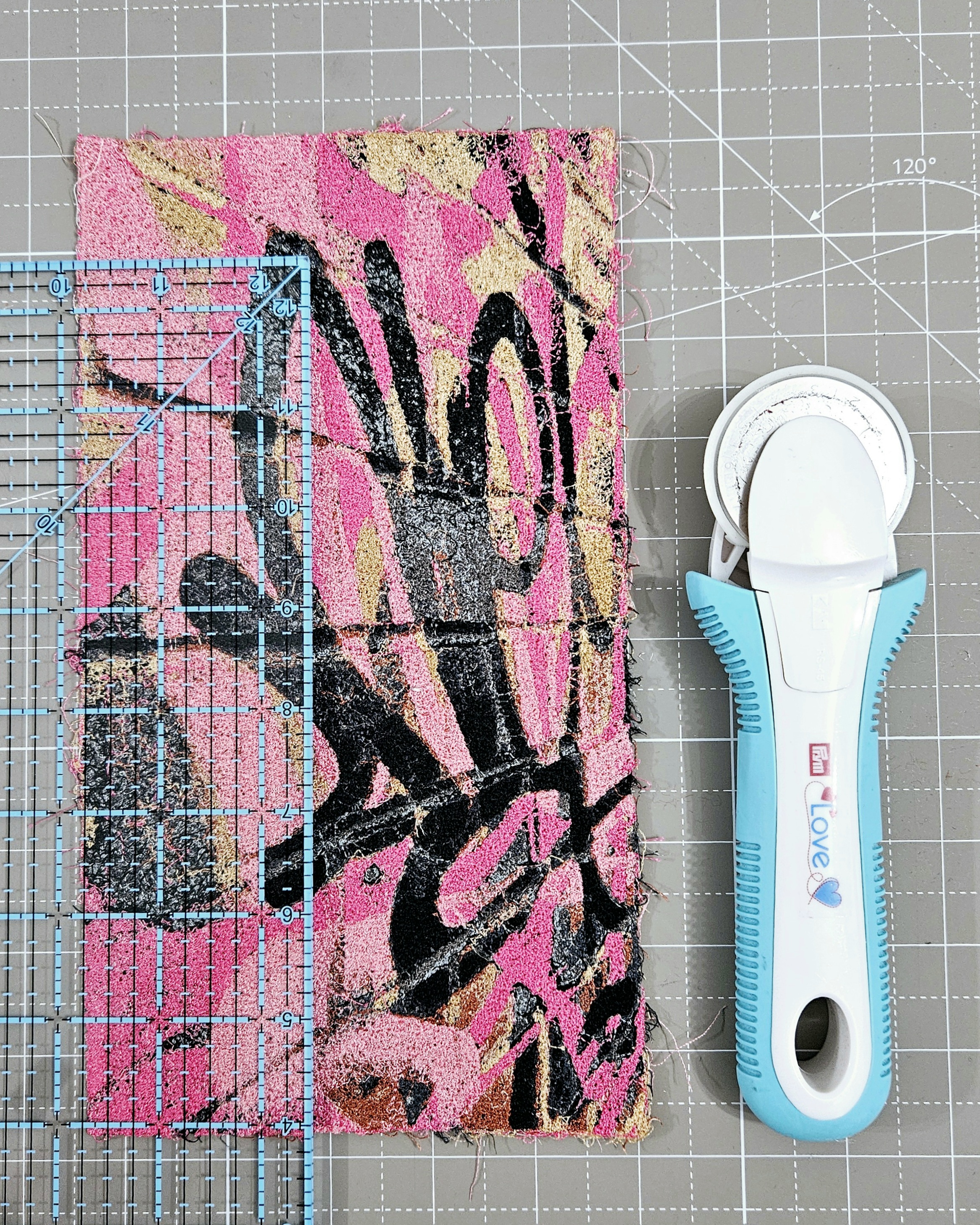
During my MA in textiles I was lucky to have access to digital embroidery machines. They changed my practice, and in 2013 I was able to buy one for myself. Working in conjunction with mySewnet Embroidery software, this machine allows me to stitch my photographs and drawings and bring my ideas into being.

I love working with the machine at every stage and it definitely needs to be watched rather than left to its own devices in my opinion. I like to ensure I’m using the right colour of bobbin thread and making sure that the colours are working well together as the design progresses.

If you’re visiting a big crafting event like Festival of Quilts or the Knitting & Stitching Show I recommend watching them in action. They can do a lot more than stitching traditional florals and monogramming.

Elbesee Table Clamp

A few years ago I was struggling with a neck and shoulder injury. Embroidering was really tough because of the way I was sitting and holding the hoop. When I started to feel my shoulder hurting again I bought myself an Elbesee table clamp and hoop, it’s like a holiday for my shoulders.

I use the clamp when I’m sitting at my desk or on the sofa with a folding table. It keeps both my hands free for stitching and I don’t get tired holding the hoop. You can get a universal hoop holder which works with your existing collection or they offer a range of hoops with the attachment built in which I prefer.

Rayon Thread

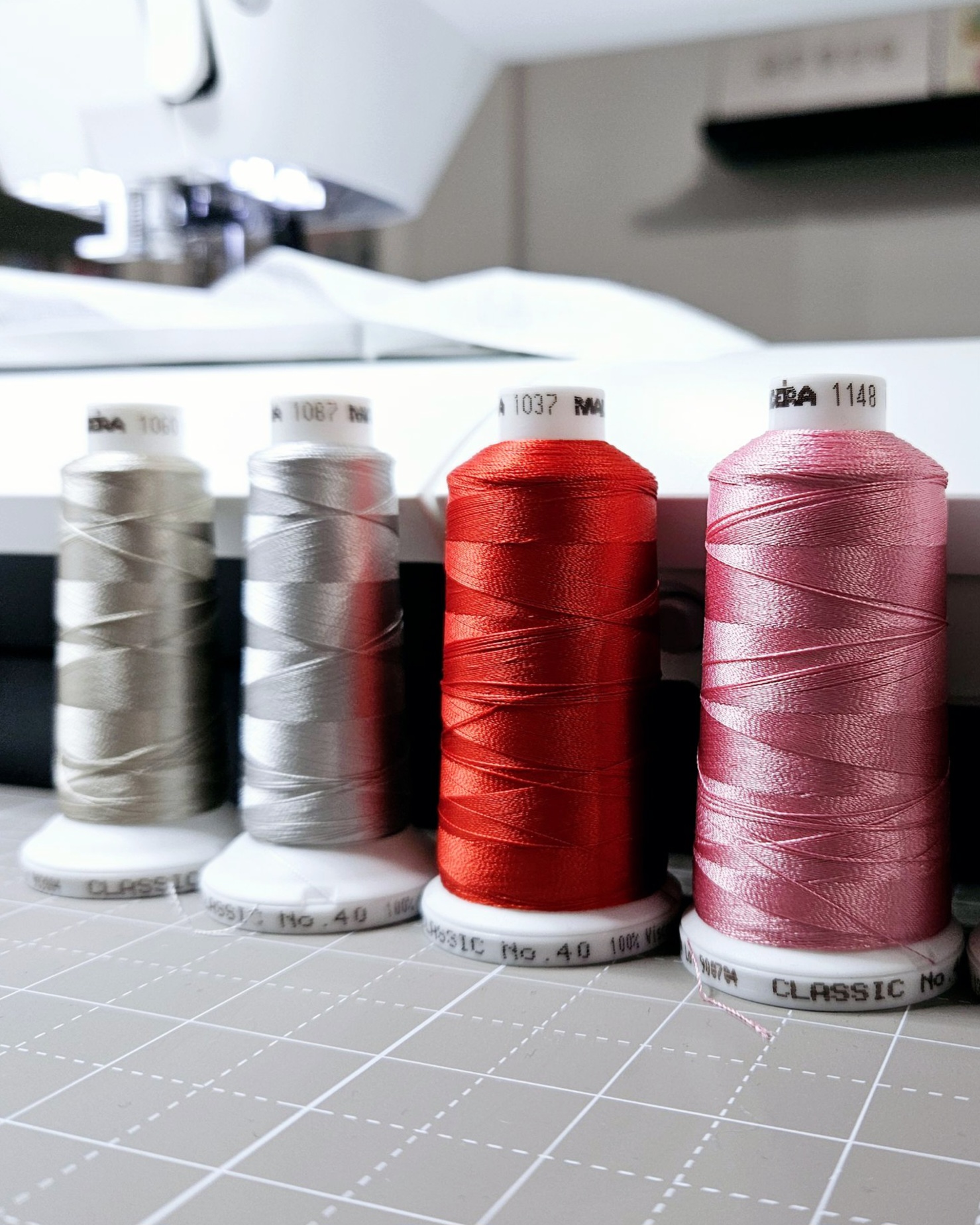
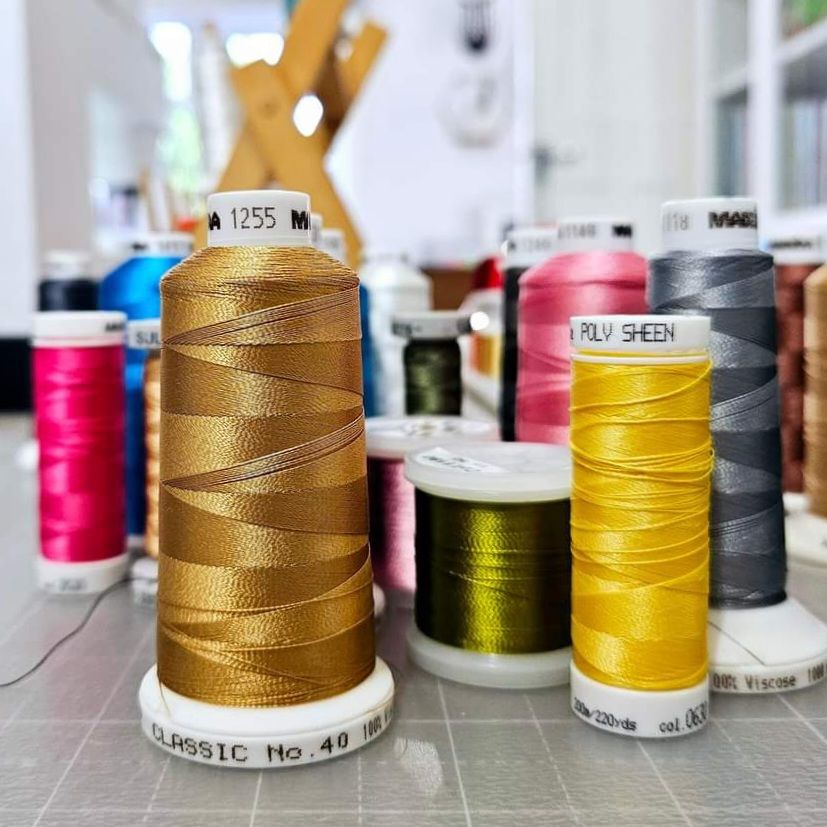
Used in my digital embroidery work, rayon thread comes in a vast array of colours. I use 40 weight which gives me the best results, as with other threads, the higher the number the thinner the thread. You can also use rayon threads for free motion embroidery, they are strong and have a great finished when used densely.

The brands I use the most are Gutermann Sulky, Madeira Rayon 40 and Mettler Poly 40 but there are lots of other great brands too.

Good to know: Barnyarns are a great supplier for embroidery threads. They have a great range and do multibuy offers too. I use them for lots of my supplies and they are really knowledgeable about all the products they sell.

Wash Away Stabiliser

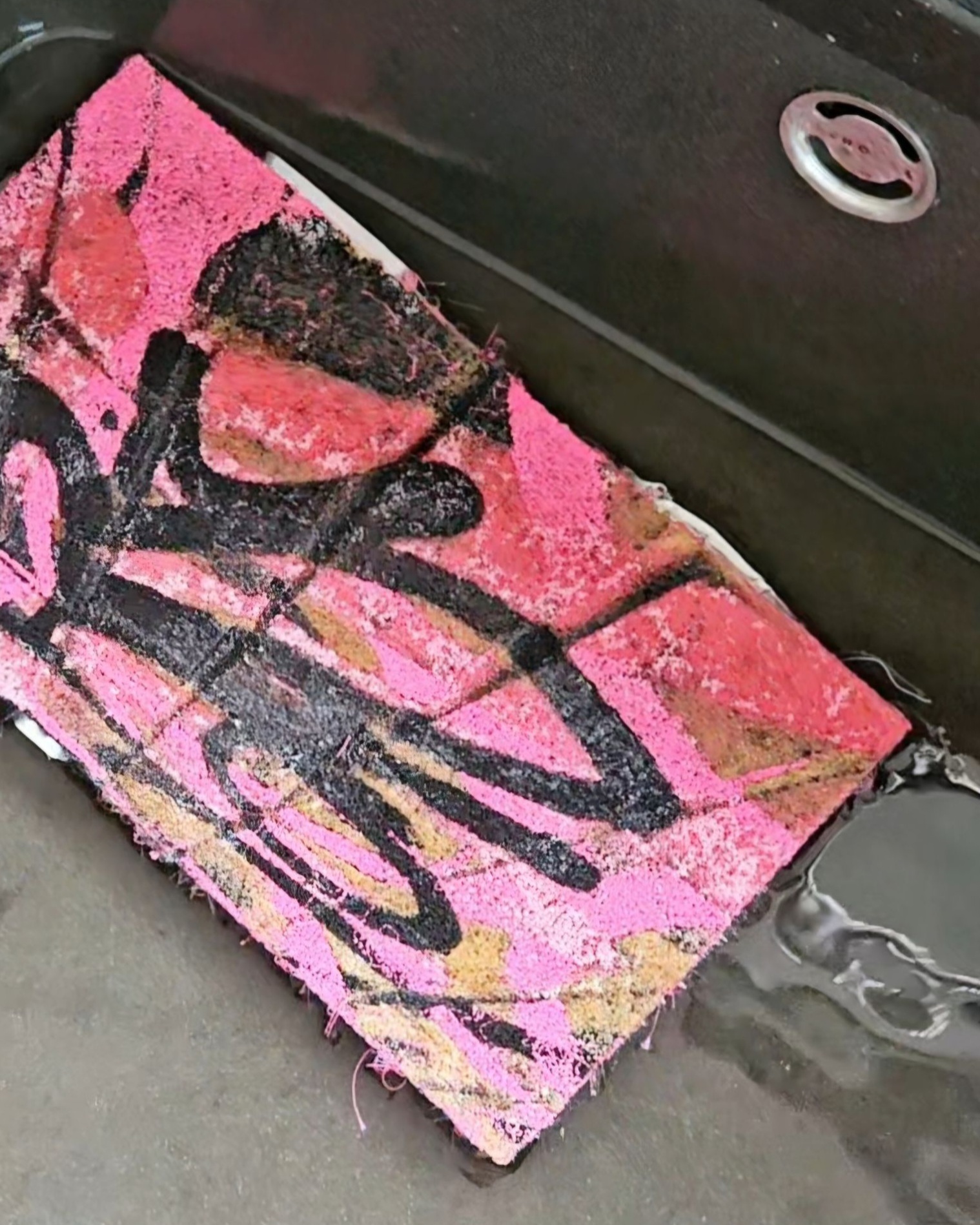
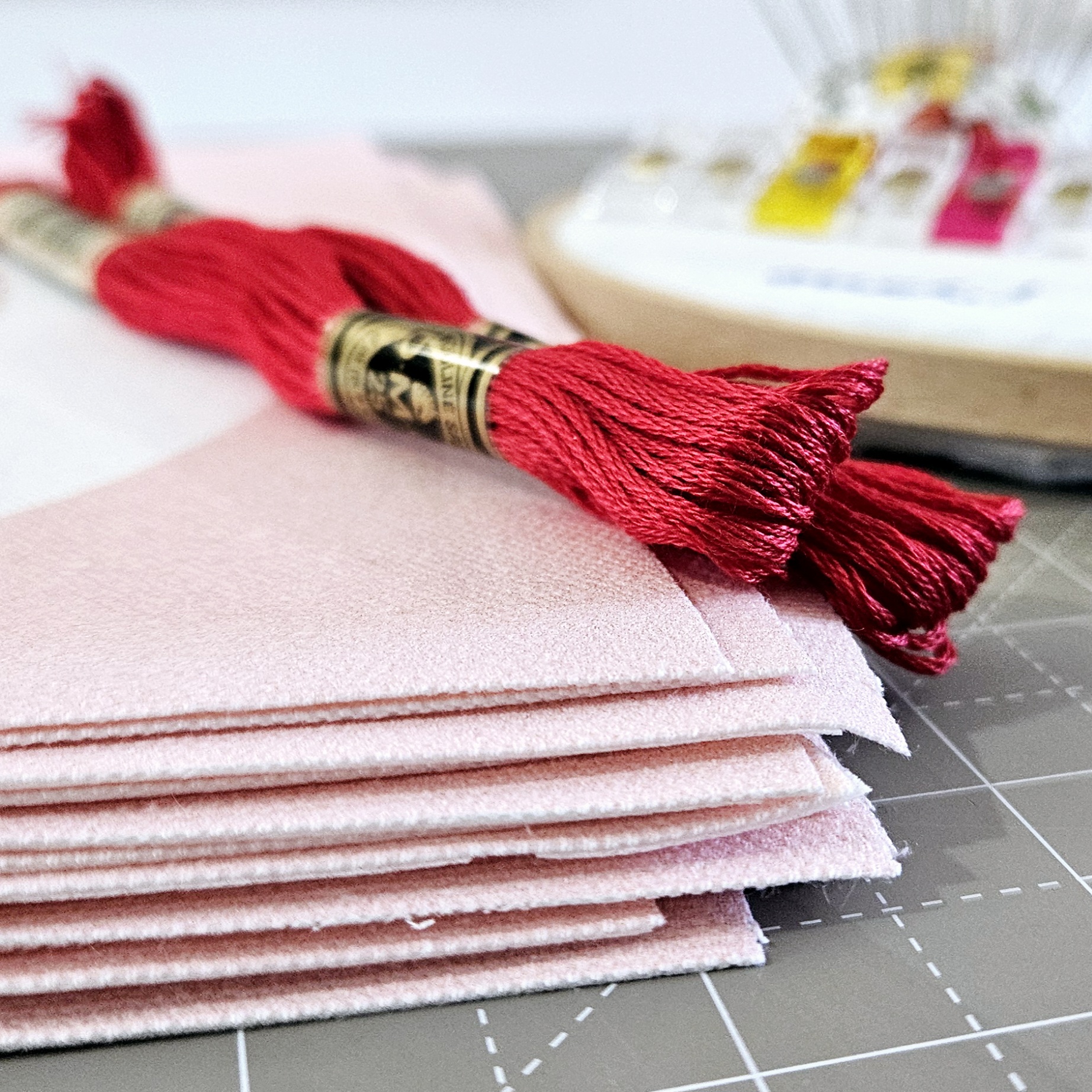
There are a few different names and products that fall under this category of wash away fabric, I use them for my digitally embroidered projects. I prefer the type that feels more like a fabric than a sheet of plastic. This is usually called Aquasol or Solufleece. I find this feels nicer and is easier to work with, I use two or three layers depending on how dense the embroidery will be.

Top Tip: This is supposed to be cold water soluble but I’ve found that it washes away much quicker with slightly warmer water, I use my mixer tap in the central position. To keep your embroidery flat when you wash away the fabric you can tack it to a polystyrene printing tile, this works well for very lacey designs.

Embroidery Scissors

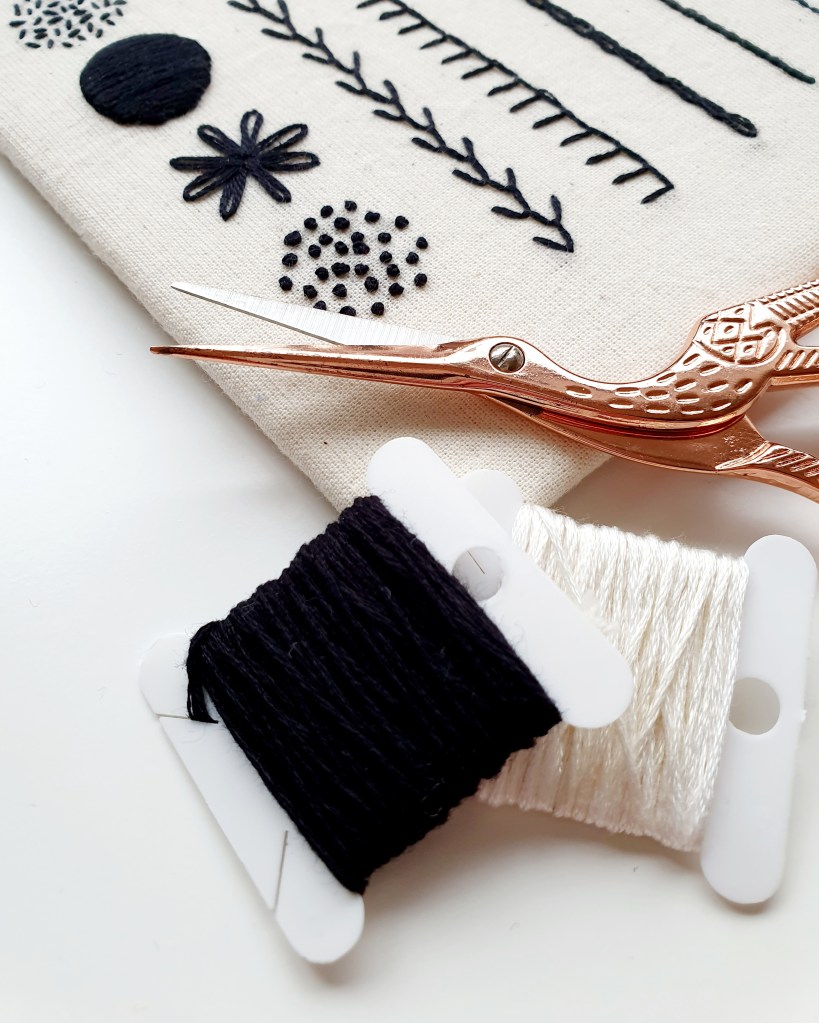
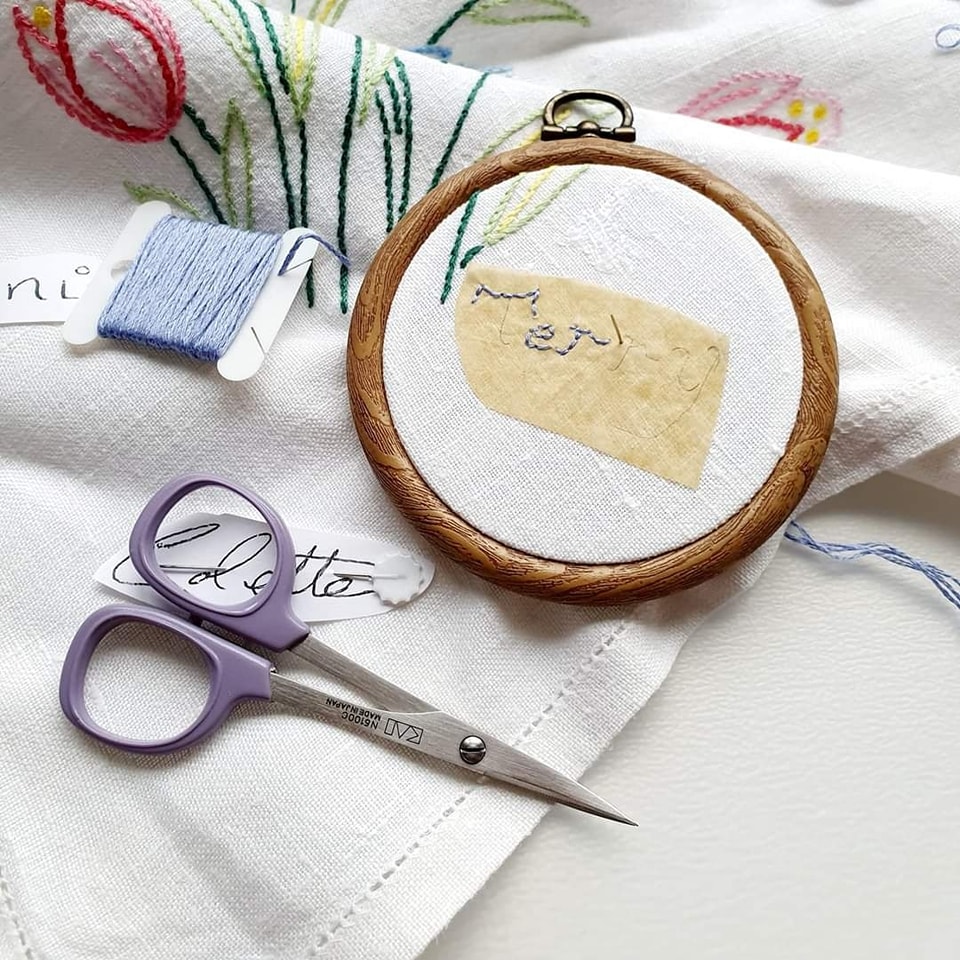
I love my curved embroidery scissors, they are great for trimming loose threads on my digital embroidery and unpicking stitches. They are great for getting right on the surface of the fabric and cutting away loose threads as the blades are sharp right to the end. These are my go to scissors for any hand or machine embroidery project.

Top Tip: Be careful when handling these scissors, the pointed blades can stab you if you leave them in the bottom of a box or bag.

Cotton Perle Thread

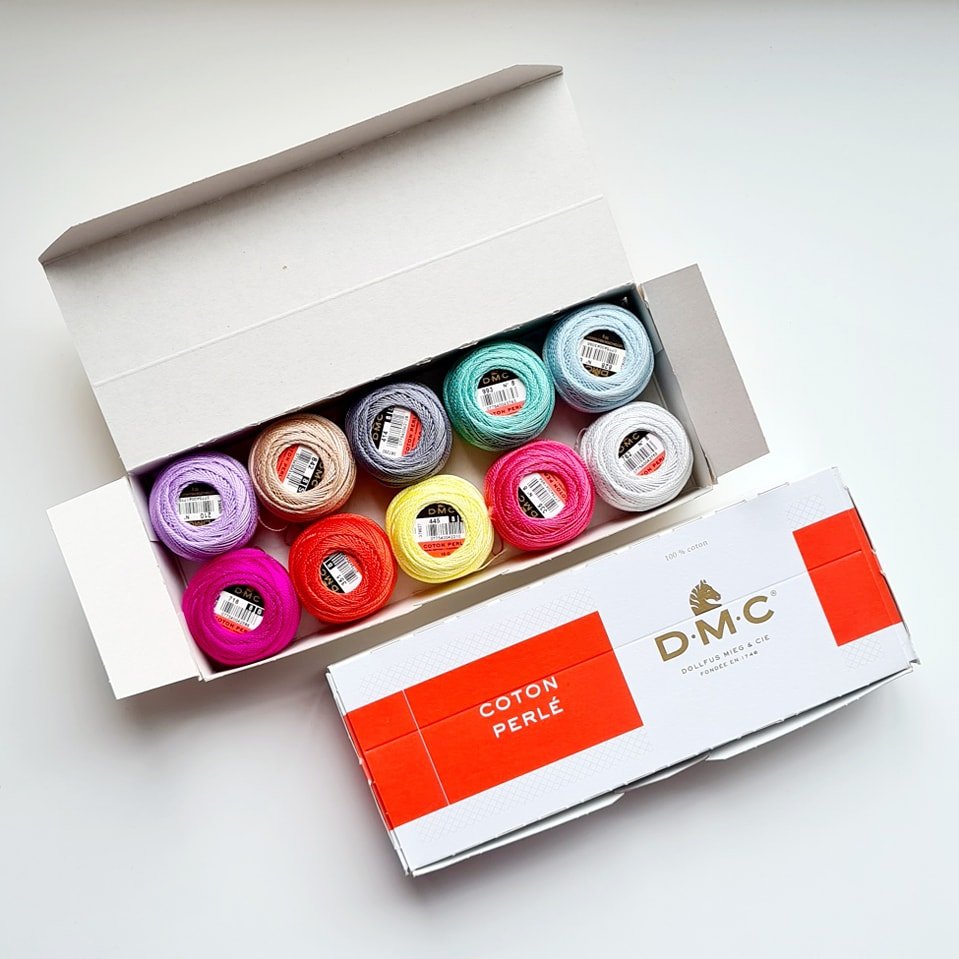
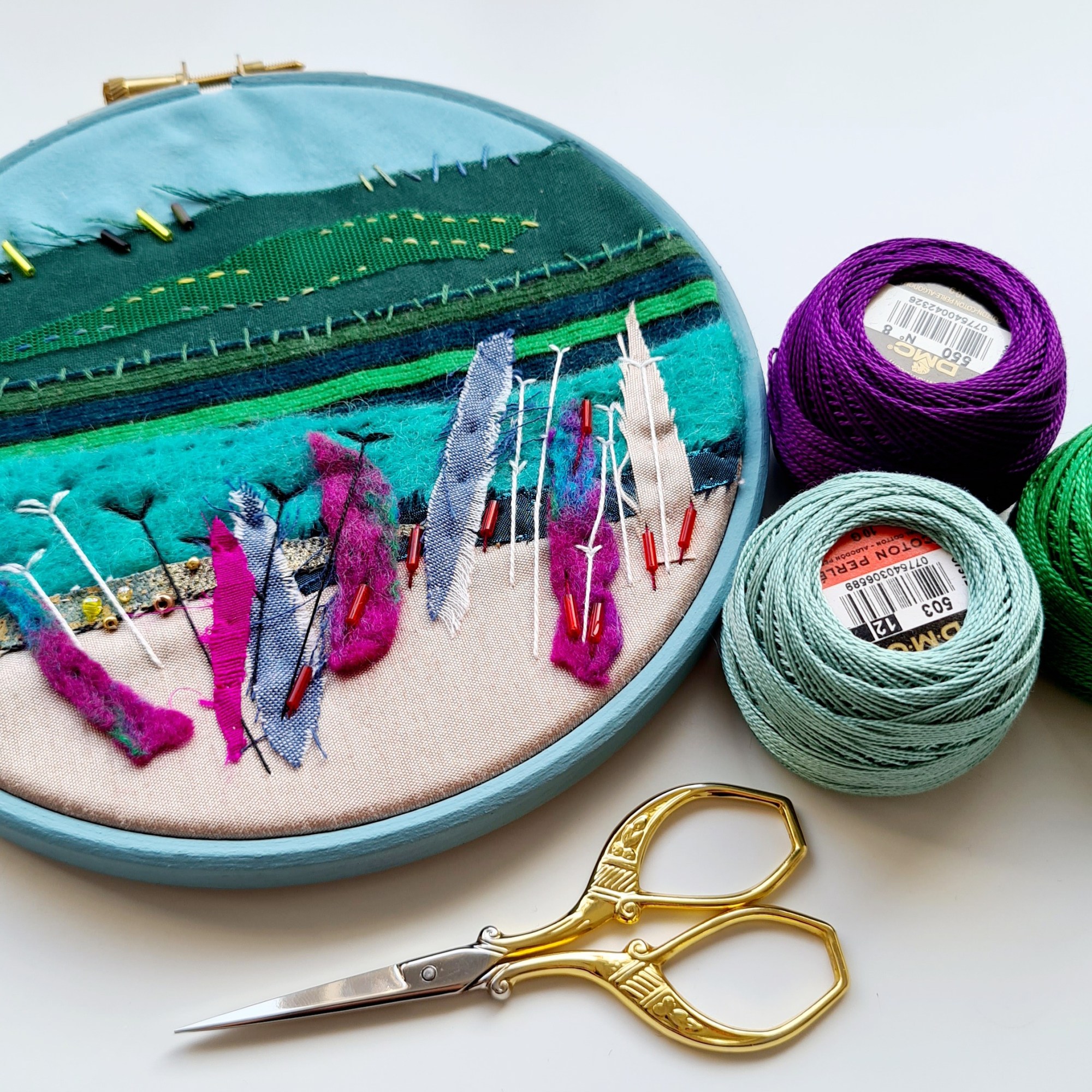
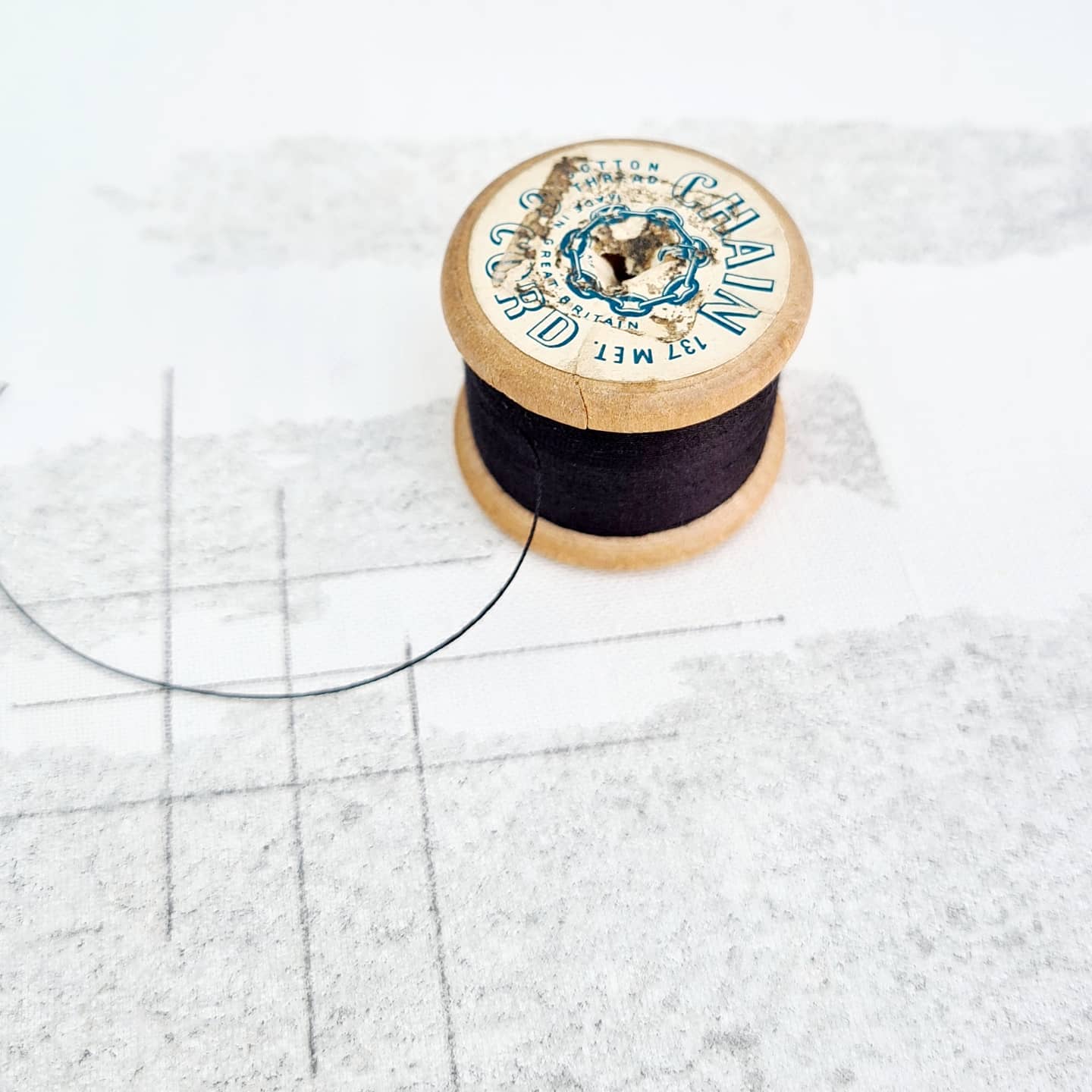
Cotton Perle thread is 100% cotton, it has a distinctive twist and a slight sheen which gives it a lovely finish. This thread doesn’t get fluffy easily and is suitable for many types of hand embroidery. The heavier weight of this thread will give your project a raised texture and great definition. I started using cotton perle when I was given a ball in a mixed bag of vintage threads. I love to use it to add texture to my hand embroidered pieces and recently I’ve been experimenting with the different colours to build up layers.

Glue Pen

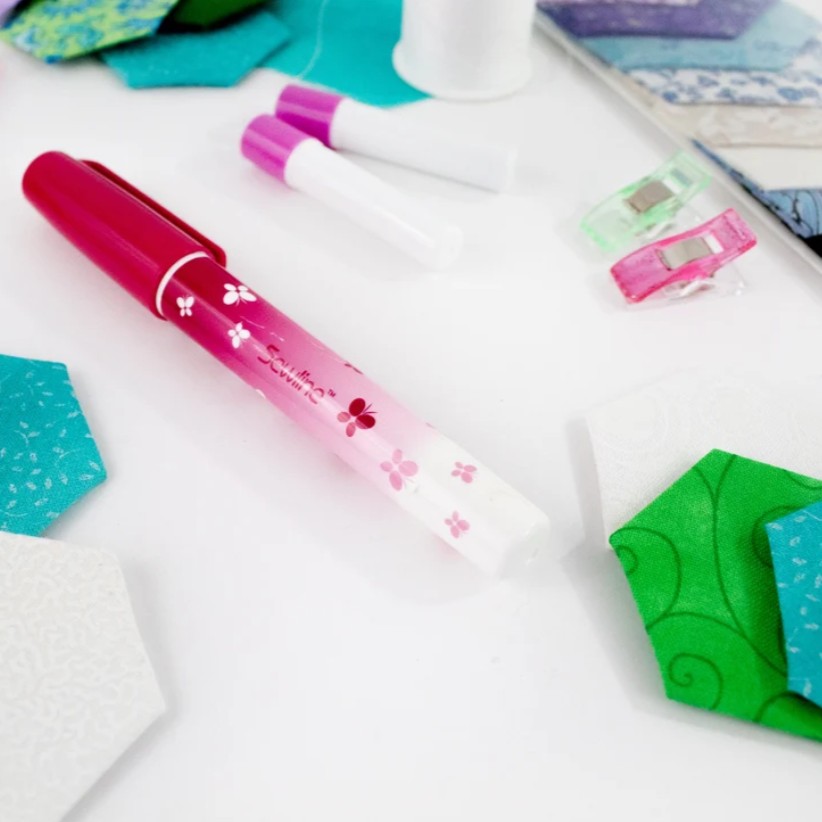
I’m a big fan of the Sewline or Prym glue pen, it’s really handy for temporary fixing of seams before you sew them and I use mine to secure paper hexagons to the fabric when I’m doing English paper piecing or adding small scraps for a stitchscape. The refills come in a variety of colours but dries clear. I use the fluorescent yellow as it’s easily visible on both light and dark fabrics.

Vintage Fabrics

My favourite type of fabric has to be vintage, in particular vintage cotton like tray cloths and bed sheets. The smooth worn surface makes it perfect for hand embroidery, dyeing and printing. I like to make use of the features on the fabric too, like printed designs for embroidery or labels and laundry marks. You can pick up some great vintage pieces with prices starting at around £1.00 per item in charity shops. It’s great to think about reusing rather than buying new for every project.

You can freeze vintage fabrics for a couple of weeks to get rid of anything like clothes moths and gently hand wash them to remove any strange smells!

Pilot Frixion Pens

I’m often asked about the best way to transfer designs onto fabric ready to embroider, I use a variety of different pens for my work. These heat erasable pens are my go to for speedy projects, it disappears with the heat of an iron or hairdryer.

Good to know: Make sure you check that the pen will hear erase by testing an area of the fabric. These pens can mark vintage fabrics and the marks can return if the fabric gets very cold. I have to be mindful of this is my work is being archival frozen for a museum collection.

Choosing Your Thread

I’m often asked about the best type of thread to use for different hand embroidery projects so I thought I would share some of the threads that I regularly use in my work. The thread I use often depends on that fabric I’m working with (and what I remembered to take with me!). Here are a few of the different types I have in my stash.

Good to Know… When using any thread it’s good to know what type of finish you want on the work, for example a thicker thread can produce really nice texture. You can also experiment with different types of thread to see how they will look against your chosen fabric. When you’re buying threads, where possible you should look at a single strand of the thread against your fabric, this is the best way to colour match as the whole reel looks different.

DMC Cotton Perle

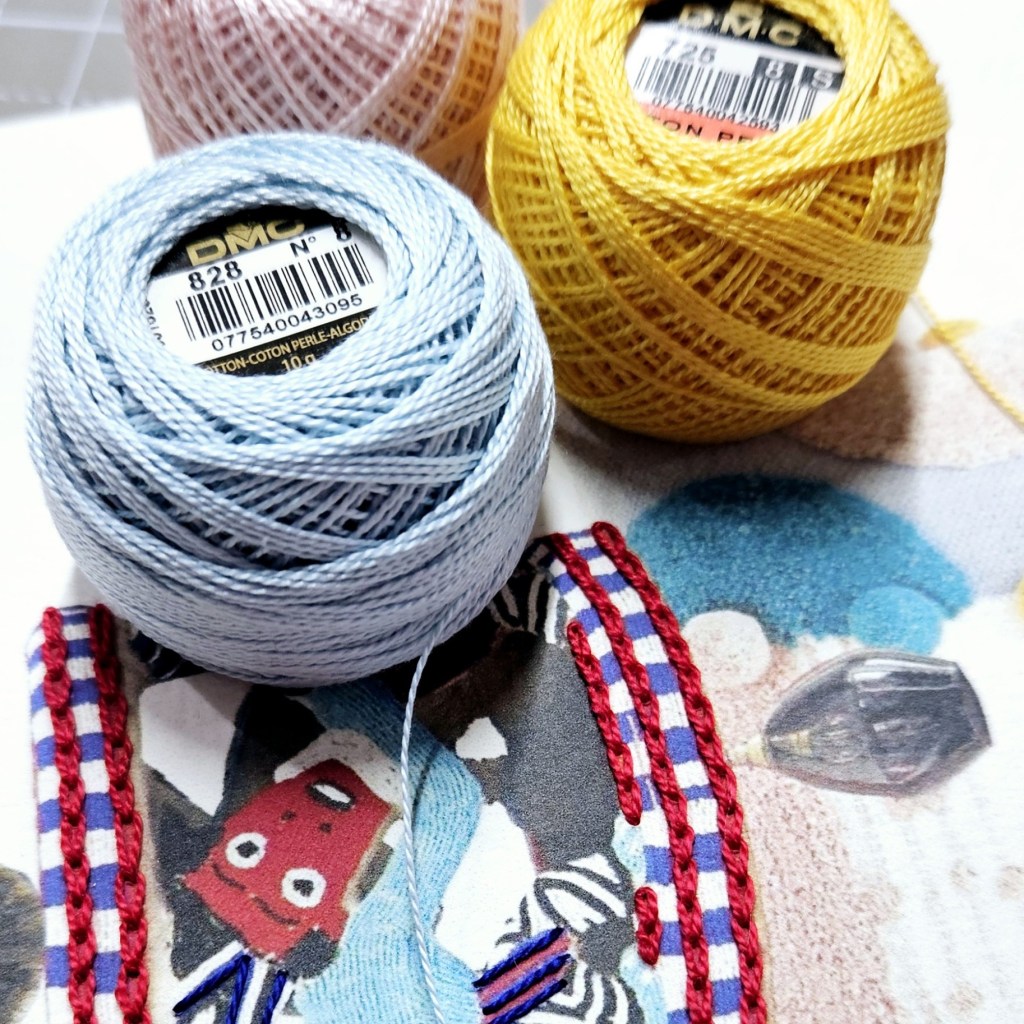
Cotton Perle No 8 thread is 100% cotton, it has a distinctive twist and a slight sheen which gives it a lovely finish. This thread doesn’t get fluffy easily and is suitable for many types of hand embroidery. The heavier weight of this thread will give your project a raised texture and great definition. This comes in 80m balls and there are so many colours to choose from.

I started using this thread when I was given a ball in a mixed bag of vintage threads. I love to use it to add texture to my hand embroidered pieces and recently I’ve been experimenting with the different colours to build up layers.

DMC Stranded Cotton Embroidery Thread

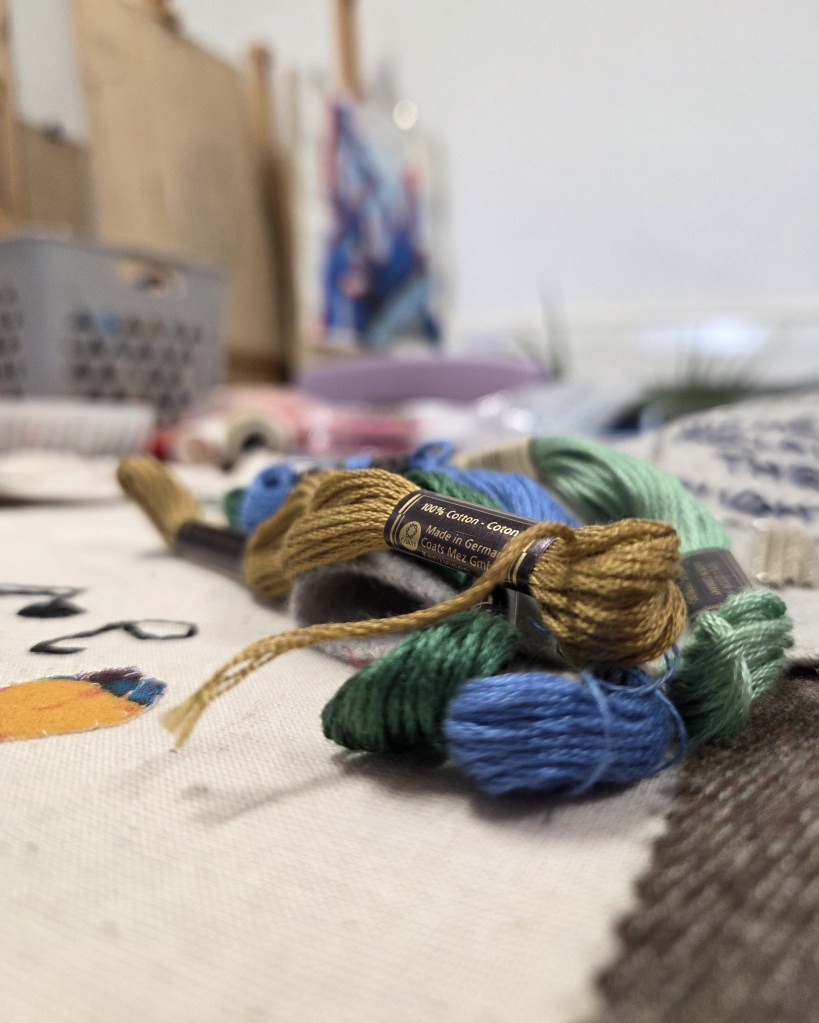
DMC Stranded Cotton is made from long staple cotton which is mercerised twice to give the thread a lovely sheen. It’s made up of 6 strands which you can divide into different thicknesses depending on the finish you want for your project. It comes in huge variety of colours too.

I use this thread for my cross stitch and hand embroidery samples for my classes as the finish is great and I can get lots of different colours. Take care when separating the threads as it can get twisted if you cut off a really long piece. I tend to use it lengths of around 30cm.

Gutermann Hand Quilting Thread

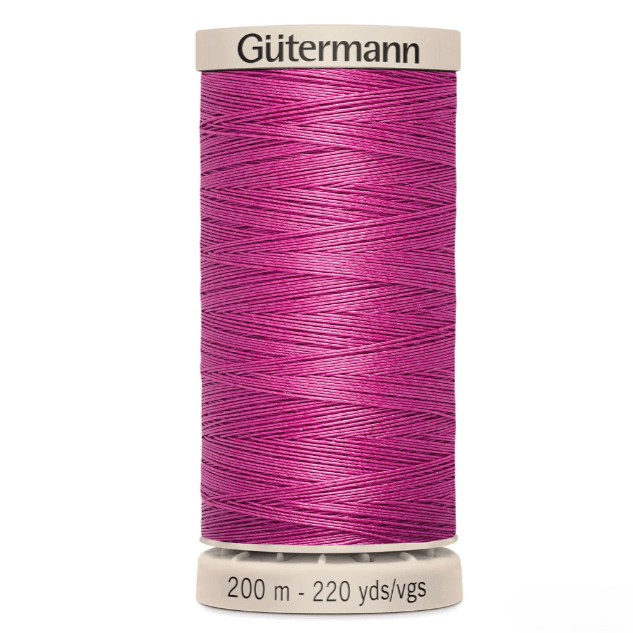
I came across this 100% cotton thread a few years ago, I was looking for a thicker thread for some of my hand stitched projects. Gutermann Hand Quilting thread is a fine but strong 40 weight cotton. The thread has a special waxed finish which gives it added strength and it’s not prone to tangling like some other threads. There a 50 colours to choose from on 200m spools and a few years ago I was lucky enough to complete my collection.

I use this thread for all my tacking and utility sewing because of it’s durability. It’s also great for adding details like beading to a project. I recently started using it to stitch the maps from my daily exercise too and it’s becoming my thread of choice for lots of projects.

Anything Goes

I’e recommended some of the big brands of thread because I stitch every day but you can find a huge variety of threads in shops like The Works and from your local charity shop. Be bold and experiment with the threads you find to see what type of line they create and how you can use them in your projects.

If you want to wash the piece you’re making I do recommend getting the thread wet first to see if it’s colour fast, I’ve been burned by this a few times. Take care when storing vintage threads too, if they’ve been kept in a dirty environment they may contaminate your other threads.

I recommend trying lots of different types to find the best one for you and making notes in your sketchbook or journal to remember what you used for a particular project.

Notes from the Studio

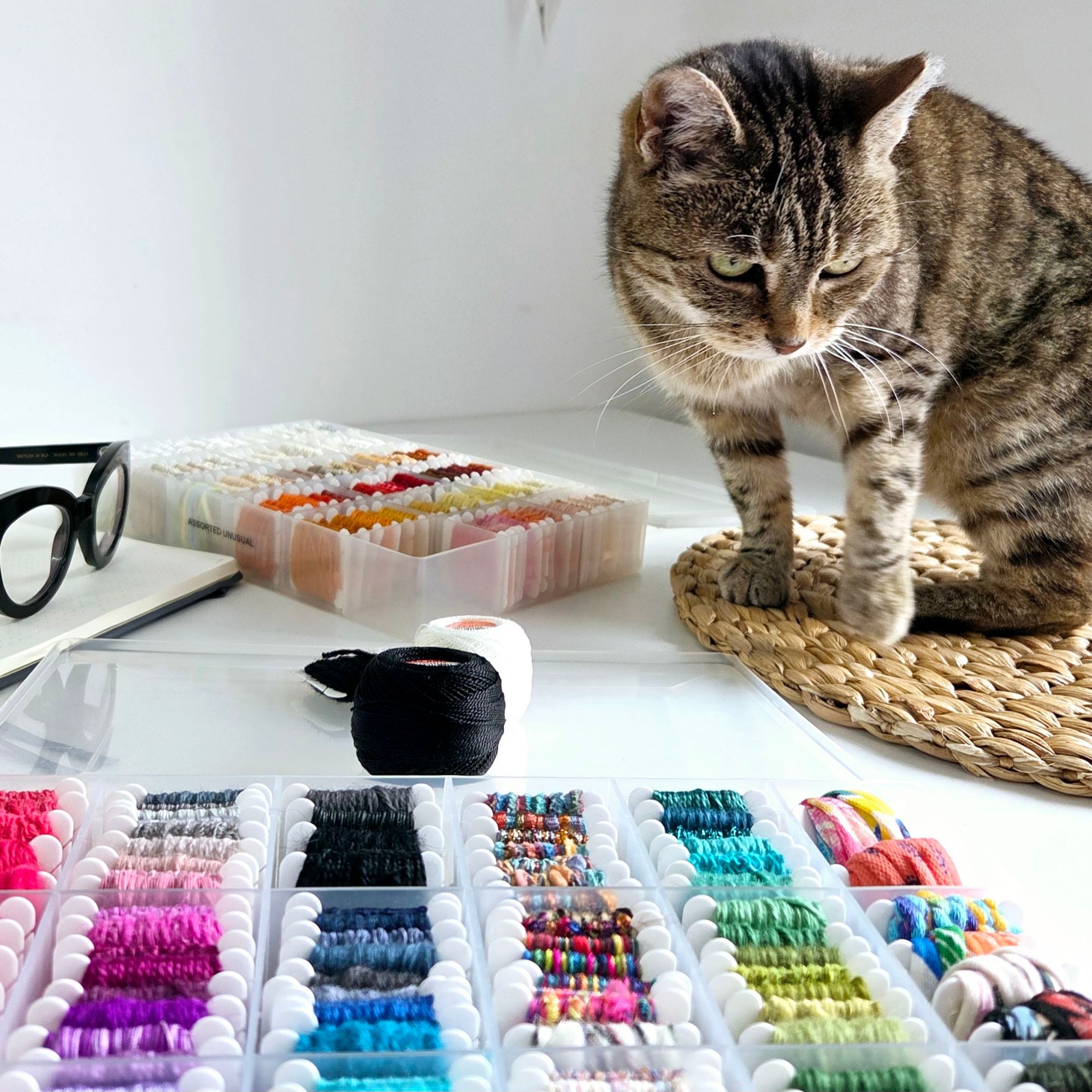
I’ve been busy in the studio over the last couple of months and Dolly might look cute but she’s not the best studio assistant. It is nice to have company when I’m working though and she’s much more relaxed when I move around the room.

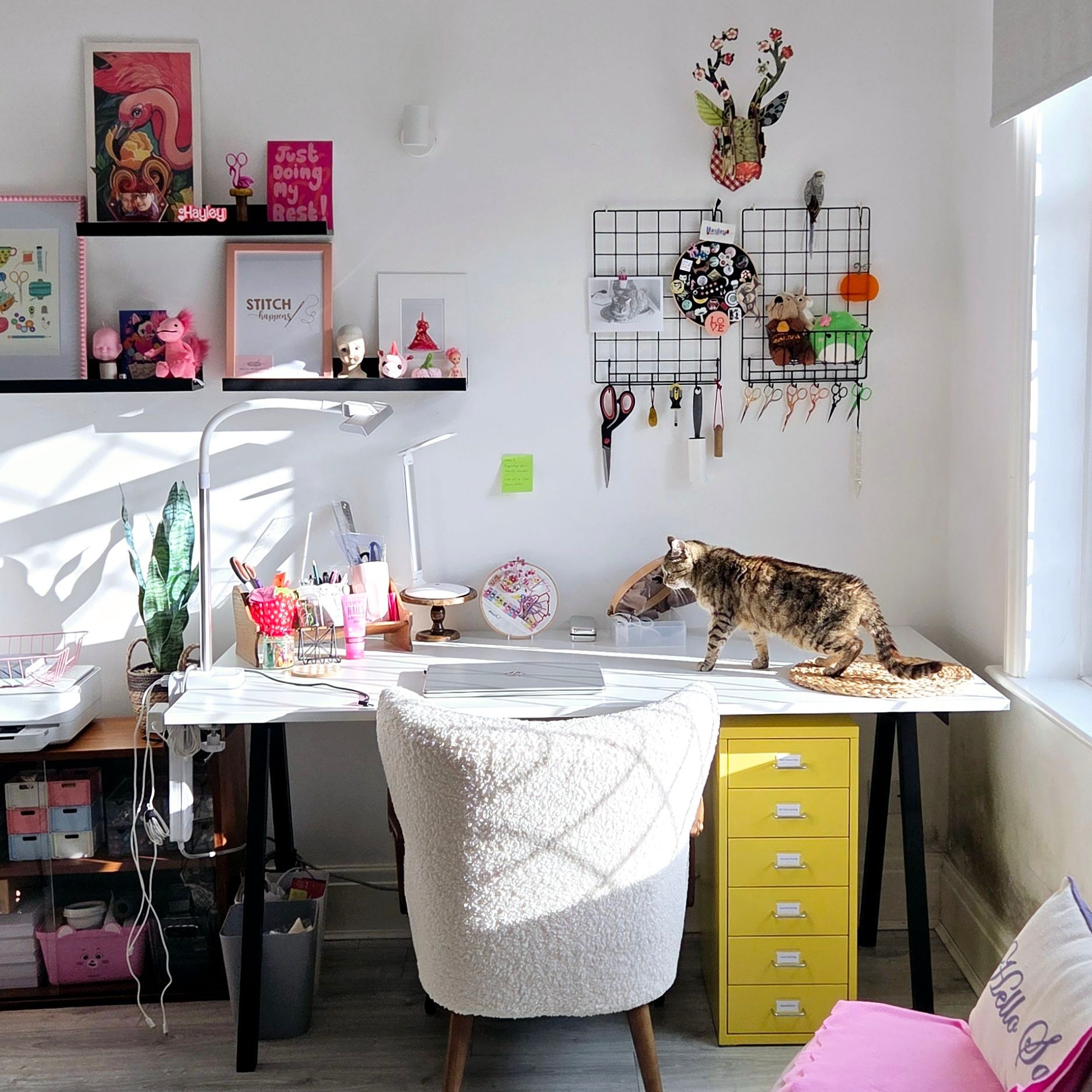
My thread collection is definitely expanding, I might even need to pick up some more storage boxes and move the drawers next to my desk around. I like to have the threads I use most next to me like DMC cotton Perle and Mouline stranded.

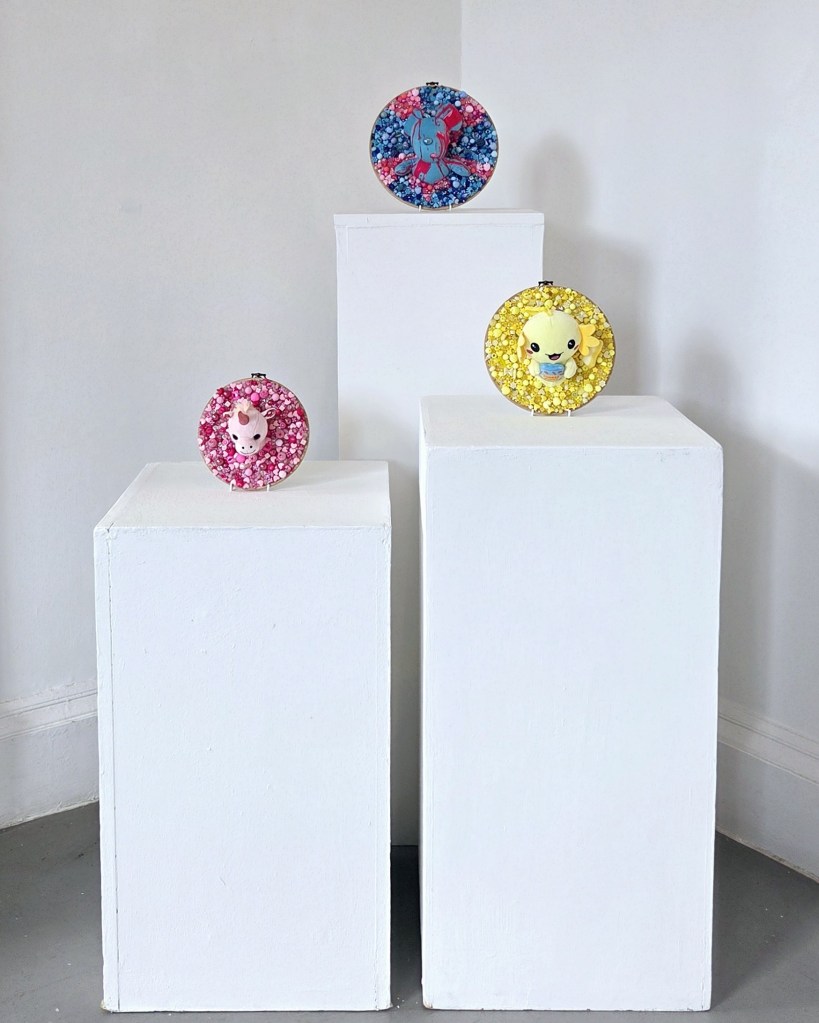
Getting ready for my Fancy Goods exhibition last month allowed me to revisit some techniques I haven’t used for a while as well as a new colour palette.

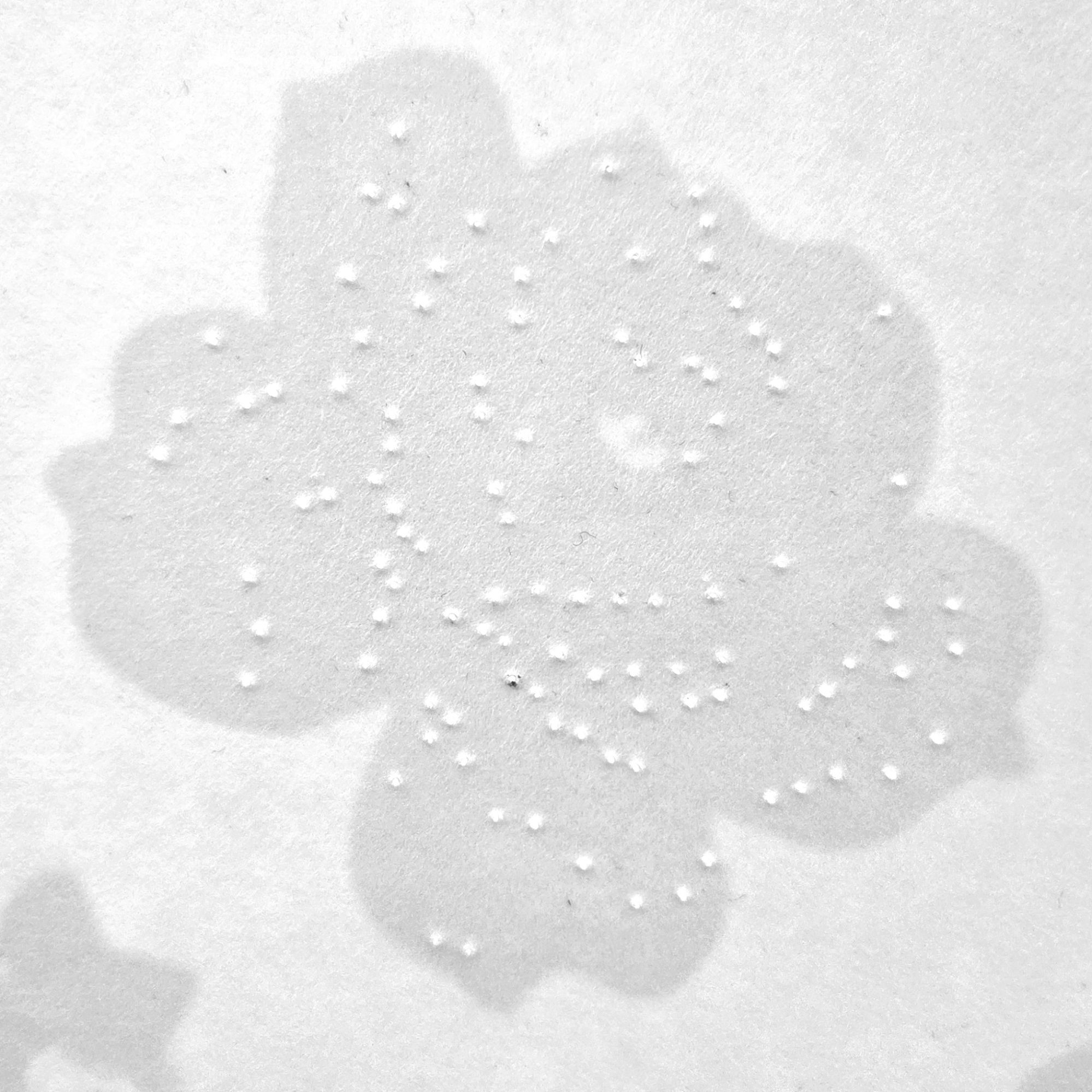
Stitching on paper is a great way to add dimension to a piece of work like a giclee print or a painting. I love stitching into paper, I’ve even sewn through mountboard with my trusty Bernina 1008. Hand stitching on paper can be tricky as you don’t have the flexibility of fabric. This is a problem when you need to keep your beautiful giclee print clean and crisp

I always pierce holes first so I know where to stitch. This reduces the risk of getting an unwanted hole in the paper. You just need to take it one stitch at a time and remember that paper with a high rag content is practically fabric.

October and November involve lots of travel and working away from the studio so I’m looking forward to a quiet December where I can start work on some new ideas and try new hand stitching techniques.

For regular updates about what I’m working on in and and out of the studio you can follow me on Instagram. You can also sign up to my monthly newsletter.

Finding a Creative Spark

When I’m teaching or talking to people about my work I’m often asked about what inspires my work or where did an idea come from. I thought I would share some of the things that inspire me, how I record this initial inspiration and how I move on to create fully realised pieces of work.

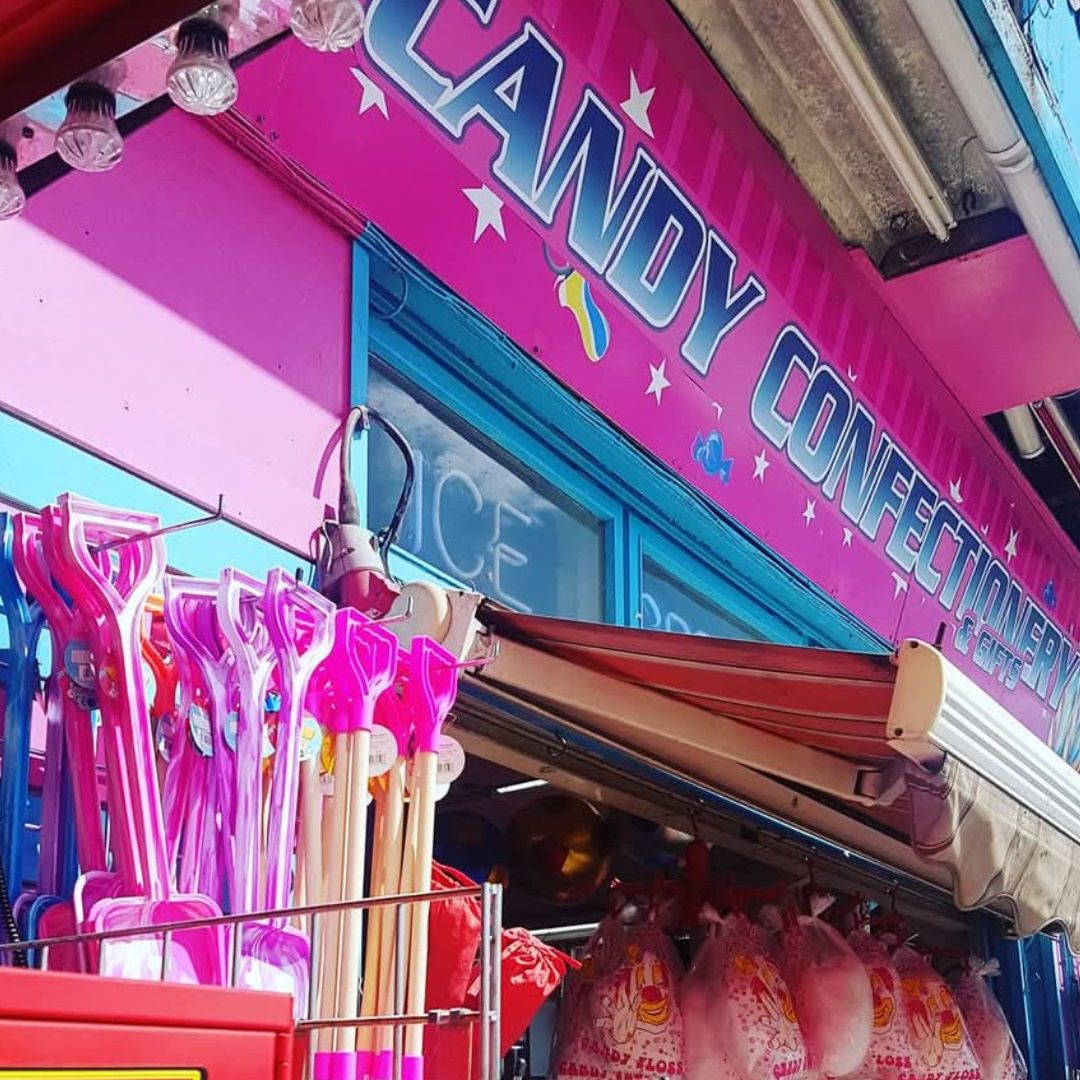
These photos were taken using my phone from our walks around Scarborough. I always use the camera as a full screen so I can capture as much of the inspiration as possible. Photos can be easily edited if needed but I like to do this later at home. I was drawn to the colours, textures and objects in the images.

Inspiration can come from the strangest places, I once got inspired to create a piece of work looking at powerlines in Leeds Train Station. I don’t always have access to a notebook because I’m out walking so I will often take notes on my phone about an idea. I’ve also made notes on a photo that I’ve taken on my phone using the gallery tools.

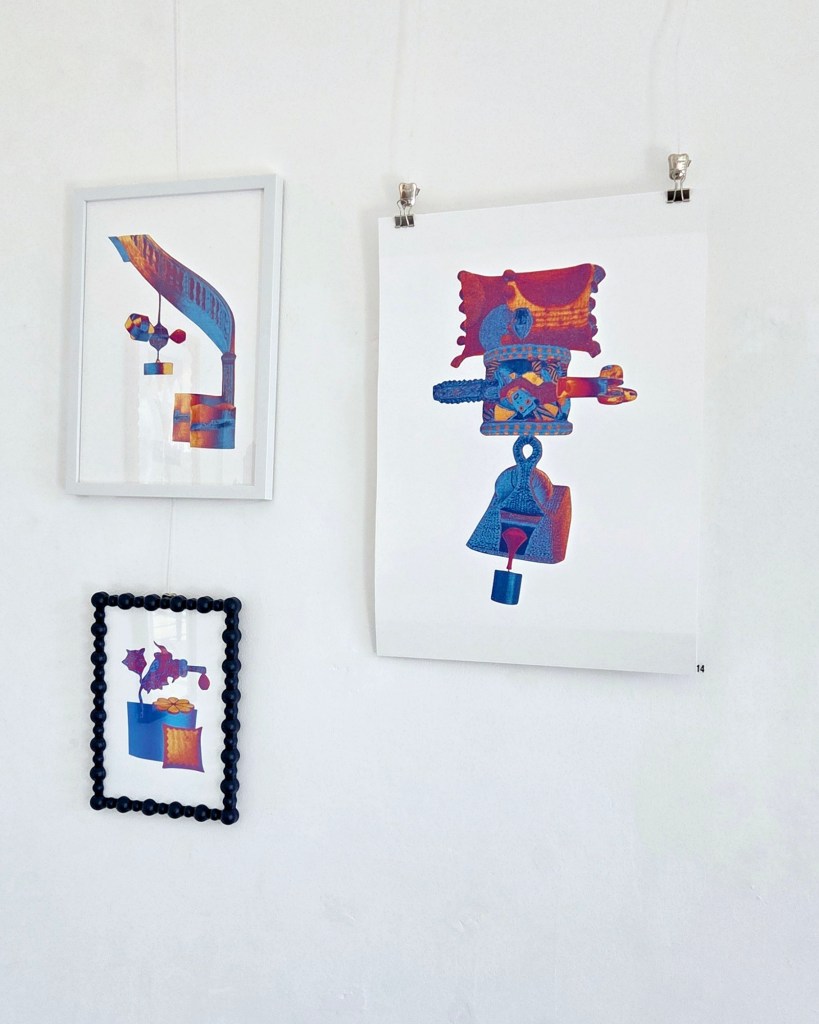
Phones can often have useful tools in the gallery settings and whilst I don’t love the over use of AI in art it can help me create an embroidery design. The images above were created using a filter and printed onto a wash away interfacing to transfer them onto fabric.

Inspiration can come from the strangest places, I once got inspired to create a piece of work looking at powerlines in Leeds Train Station. I don’t always have access to a notebook because I’m out walking so I will often take notes on my phone about an idea. I’ve also made notes on a photo that I’ve taken on my phone.

Sometimes when I take photograph it might be years before I use them to create an exhibition piece. Fancy Goods started as a few photos more than ten years ago and I only started making pieces in 2023.

I don’t use a sketchbook in the traditional sense as I find drawing doesn’t always help my creative process. My sketchbooks are a combination of photos, inspiration from museums and galleries and some drawings of ideas for work. I might also include the embroidery designs and samples of thread. I sometimes use a folder with plastic wallets to keep leaflets, exhibition guides and magazine pages together.

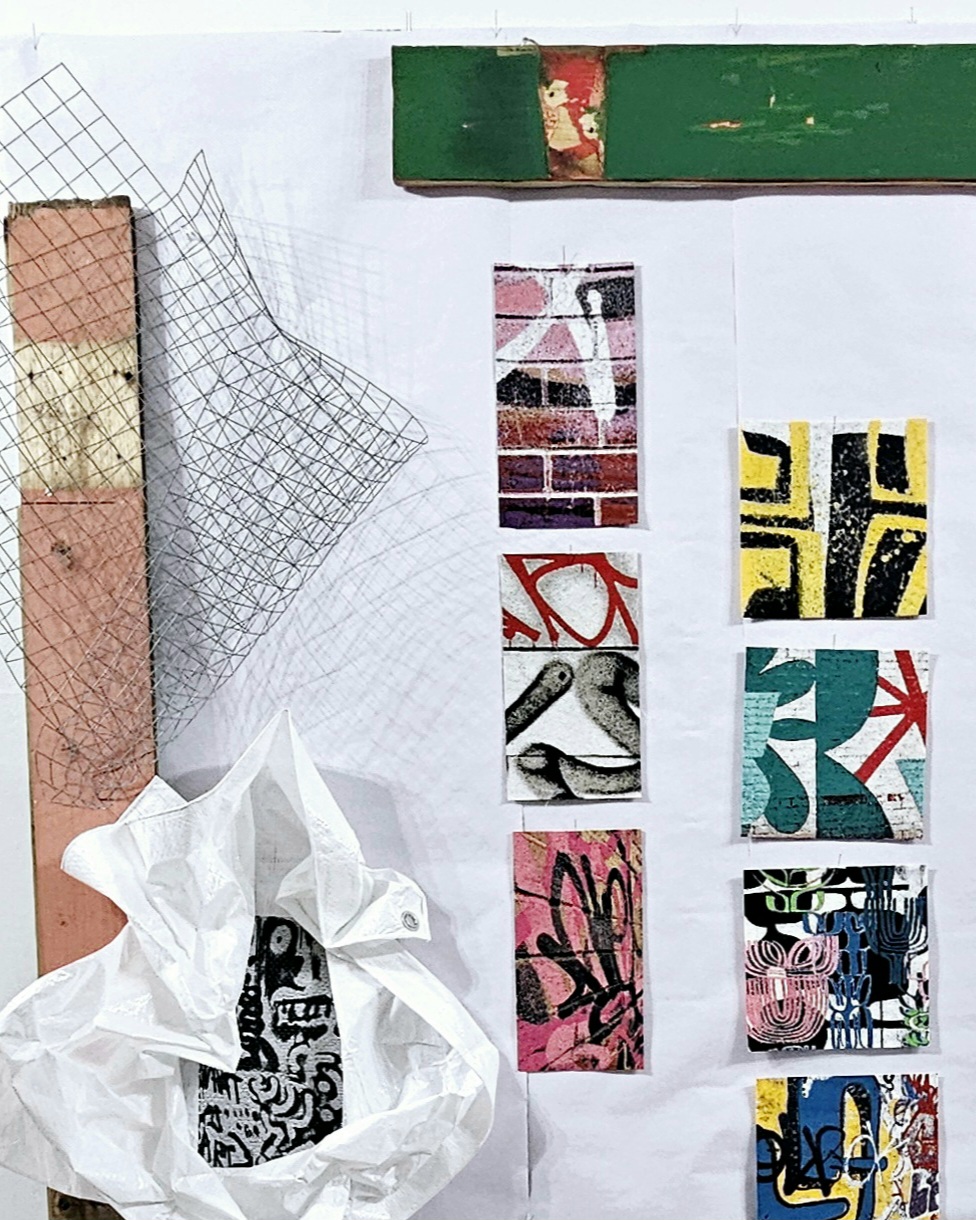
If you’d told me when I left university that I would still be interested in making mood boards I would have laughed but they are also a helpful part of my process. They can bring together the main inspiration images/objects, a colour palette and materials/threads I might want to use.

I like to store all my photos in cloud storage so I can access them from my phone and laptop. I name the folders so I know what’s in there and all my similar ideas are grouped together. Sometimes that research might stay there for years, sometimes it never gets to the stage of sampling but you never know!

The images above are finished pieces inspired by small things that caught my eye:

Left, an embroidery workshop sample inspired by a plate in my kitchen. Centre, a hand embroidered piece inspired by a process photo for Instagram. Right, an exhibition piece inspired by my photographs of Scarborough Harbour.

As you start to find your own inspiration, you will find a way of recording it that works for you. There is no right or wrong way to do this so try a few different ways and see how they work for you.

For regular updates about upcoming workshops and events you can sign up to my monthly newsletter, and for cat pictures and work in progress follow me on Instagram.

Artist’s Q&A

Who are you and what do you do?

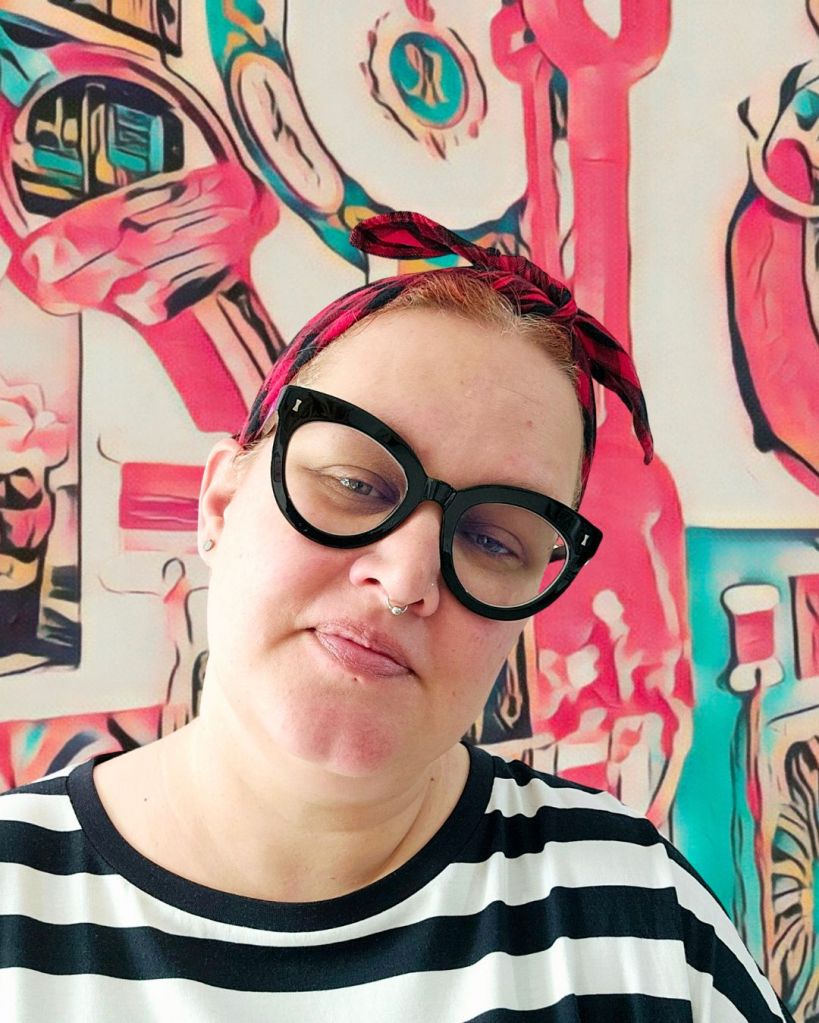
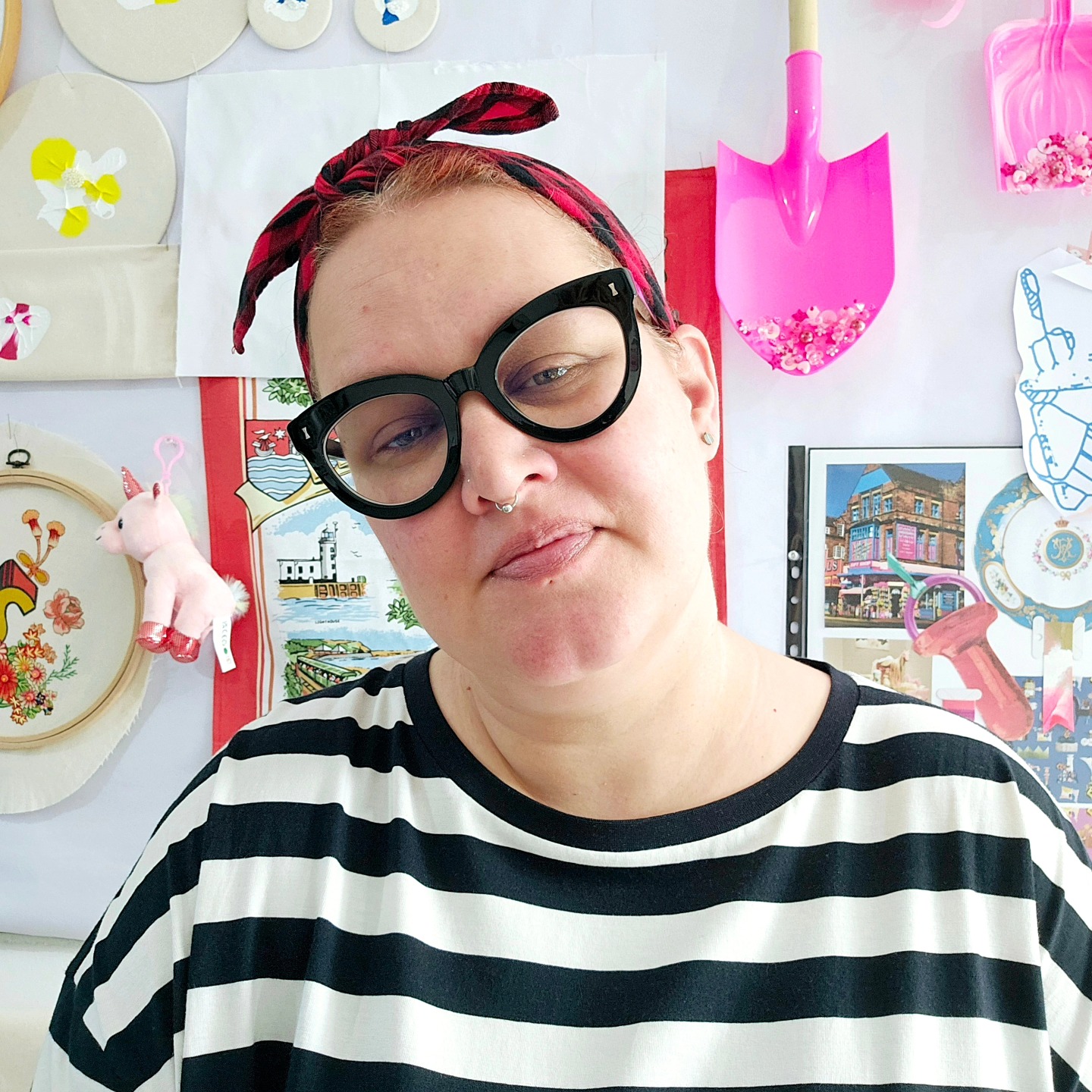
I’m Hayley, a textile artist and embroidery tutor living in Scarborough, North Yorkshire.

Explain what you do in less than 100 words…

I create artwork for exhibitions and private commissions and run socially engaged projects across Yorkshire. In 2025, I set up a community called Thread Collective with fellow embroiderer Rowan Bridgwood. We are going to run workshops and textile craft socials in Scarborough, Leeds, Manchester and Hebden Bridge.

I often work with other creative practitioners on community projects and installations, sharing my passion for textiles and embroidery. I love travelling around Yorkshire with my trolley full of creativity.

Why do you do what you do?

I’ve always loved being creative and even at primary school I wanted to be an artist. I’m an accidental tutor and I started sharing my skills as a WI member over 15 years ago. I love helping people realise their creative potential and learn new skills. Being an artist allows me to share stories with people using fabric and thread.

How has your practice changed over time?

The work I make has definitely changed over time. Before my MA in textiles, everything was hand embroidered. During my time at Manchester School of Art I learned how to work with digital embroidery. This has changed how I translate my inspiration into finished pieces of work.

In 2025, I began trying new hand embroidery styles and techniques which is really exciting. It’s also expanded my colour palette, working on very bold pieces each week.

What work do you most enjoy doing?

I love creating assemblages and incorporating lots of different materials and techniques to create artwork. During my BA, I was an installation artist and I created larger scale pieces that used my own work and found objects. I love how 3D embroidery can be.

What themes do you use in your work?

I explore themes like personal memories, mental health and heritage in my work. I’ve created pieces about my lived experience of anxiety and OCD. I also respond to museum collections, helping to bring objects to life. I’ve worked with Whitby Museum and The Thackray Museum of Medicine to create exhibitions.

What jobs have you worked in other than being and artist?

I’ve worked in retail and financial services admin prior to being a freelance artist. In December 2025 I’ll be celebrating 13 years of freelance life.

What memorable responses have you had to your work?

I’ve received lots of wonderful messages about my work exploring mental health. People have emailed to say that my work made them realise they aren’t alone in the way they feel. That was particularly touching. I also get emails saying thank you for reminding them of things from their childhood. In my workshops, people thank me for getting them back into embroidery and inspiring them to create new things.

What’s your favourite or most inspirational place?

That’s a tough question, it depends on the work I’m doing. I would say the most consistent inspiration comes from the Yorkshire Coast. My work might directly link to the things I see on my walks or the sea air and walks on the beach help me to centre myself and relax so I can create new work exploring other themes.

What research do you do?

I love visiting museums and heritage sites, they have so much inspiration from Victorian laundries to seaside souvenir shops. I take photos on my phone as it’s always to hand. I sometimes make notes on my phone or in my journal. I occasionally sketch but this is something I’m trying to do more of.

What’s the best piece of advice you’ve been given?

On my art foundation course in the early 2000s my tutor William said… “As an artist in the modern age, if someone asks you if you can do something you say yes then Google it” This has always stuck with me and reminded me that by researching and stepping outside your comfort zone you can do so much.

What tools couldn’t you live without?

That’s a hard one to answer as I use so many in my work. My top nine are…

Elbesee table clamp

Curved embroidery scissors

Prym glue pen

Cotton perle threads

Vintage fabrics

Pilot Frixion pens

Pfaff Creative 3.0 embroidery machine

Rayon thread

Wash away stabilsers and interfacings

What advice would you give someone who wanted to try hand embroidery?

Embroidery is for everyone and isn’t as hard to learn as you might think, you can learn some simple stitches which will create exciting pieces of work. The key is to practice so that you get used to where to hold your hoop and how to anchor the threads. Embroidery is just a series of loops help down in different ways which you will pick up the more you stitch.

All you need to get started is some fabric, embroidery threads, an embroidery hoop, a needle and some scissors. You can use old clothing or tote bags for your fabric and embroidery hoops, needles and threads can be picked up at charity shops and high street shops. Nail scissors are great for embroidery as they allow you to get closer to the fabric to cut loose threads.

YouTube has definitely changed the way we learn to embroider, being able to watch a video of the process instead of those little pictures is amazing. There are definitely some stitches that are harder to learn. I’ve only ever done 2 perfect bullion knots in my life, in 2013 and in 2023. I confidently predict that if I try again in 2033 it will be perfect!

For regular updates about upcoming workshops and events you can sign up to my monthly newsletter, and for cat pictures and work in progress follow me on Instagram.

How To Transfer Designs

In these posts I like to share some tips and tricks with you to make your embroidery projects easier. In this post I’m responding to a question I get asked about my work

“How do you transfer your design onto fabric?”

I get asked this question a lot, especially when I’m stitching in a cafe or showing a sample in a workshop. When I’m creating a design I think about the fabrics, threads and the original image I’m using and this informs how I transfer a design.

I like to create my design on paper first, this might be drawing a completely new design or printing a photograph out. I find this helps me to get the design right before I start adding it to fabric, especially if I’m using vintage fabrics that I can’t replace.

Pilot Frixion Pens

For this technique, once I’m happy with my design, I place my fabric in the embroidery hoop to keep it nice and flat. I then place the paper underneath the fabric and trace the lines using the pen. If my design uses lines, I always use a ruler to keep them straight.

If you want a design to grow organically, you can draw straight onto the fabric with the pen too, I often do this when I’m working on a stitchscape and want a guideline to stitch to. The design you create on paper doesn’t have to be followed exactly either, it can change as you start to stitch and want to make changes.

Pilot Frixion Pens are heat erasable, this means when you have completed the embroidery you can remove them with the heat from a dry iron or hairdryer. Make sure that you test the pen on the edge of the fabric first, it doesn’t always fully disappear on vintage fabrics and can come back if the fabric gets very cold.

Tissue Paper Transfer

When I’m working on private commissions and with intricate text, I like to use the tissue paper method to transfer my designs. This method might sound a bit strange but I find it really useful.

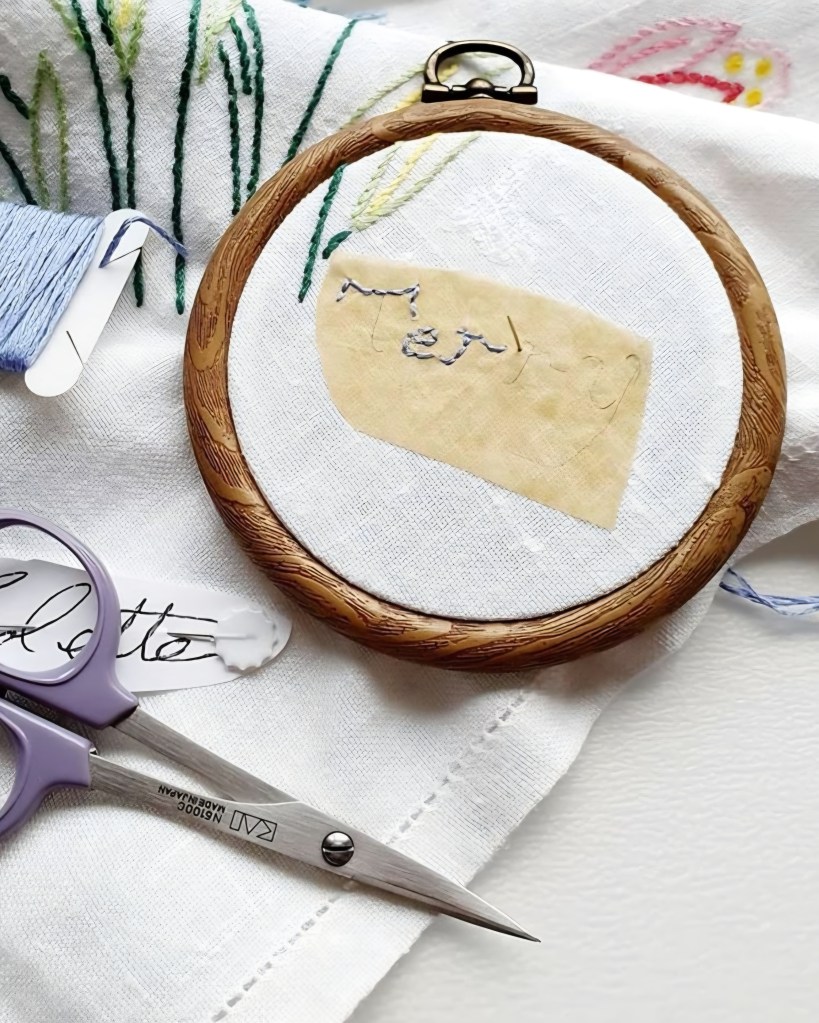
I trace the hand writing from a client onto the paper with a mechanical pencil. I then cut around leaving a border and stick the paper to the fabric temporarily with my Sewline Glue Pen. The tissue paper is easy to stitch through and when that area of the design is complete, I tear away the tissue paper with fine papercraft tweezers.

This technique can be fiddly but it doesn’t leave residue on the fabric and I don’t have to wash or iron away the transfer method.

Wash Away Interfacing

Recently, I tried using self adhesive wash away interfacing to print a design I created on my laptop. You can read more about that technique in my recent post Learning New Tricks.

I’ve been using Madeira Avalon as I had a roll in my cupboard that I bought about 10 years ago. I created a design on my laptop and printed this out on my inkjet printer. Once the design dried I stuck the interfacing to my fabric.

A word of warning, I recently completed an autumnal design and when I washed away the interfacing the colours in some of my threads bled and stained the fabric. I recommend testing your threads to check if they are colourfast before you start stitching using this method. I usually use DMC threads as they are colourfast when washed.

I recommend trying a few different methods for your projects to see what works best for you and the fabric and threads you’re using.

Notes from the Studio

I’ve been spending more time in the studio over the last few months and focusing on my embroidery ideas. This is a welcome change after not feeling that creative spark for what feels like years. I’ve been working on new hand embroidered pieces, trying new ideas using the technique I shared in my May blog post.

I love doing hand embroidery because it’s portable and peaceful, I can pack a folder with the hooped up fabric and all my threads and sit and stitch in coffee shops and the car. I’ve even started taking a rechargeable lamp with me in case the light isn’t great. In the last few months I’ve stitched in the car park at Leeds Hackspace, Dalby Forest and Filey Country Park.

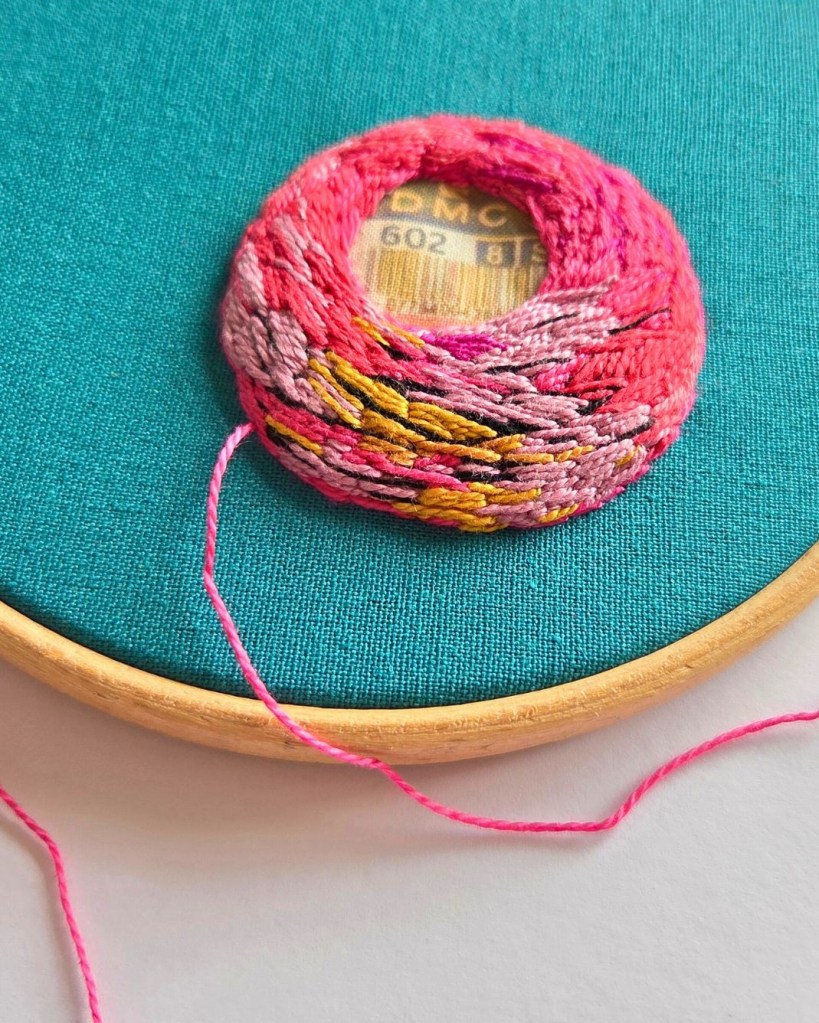
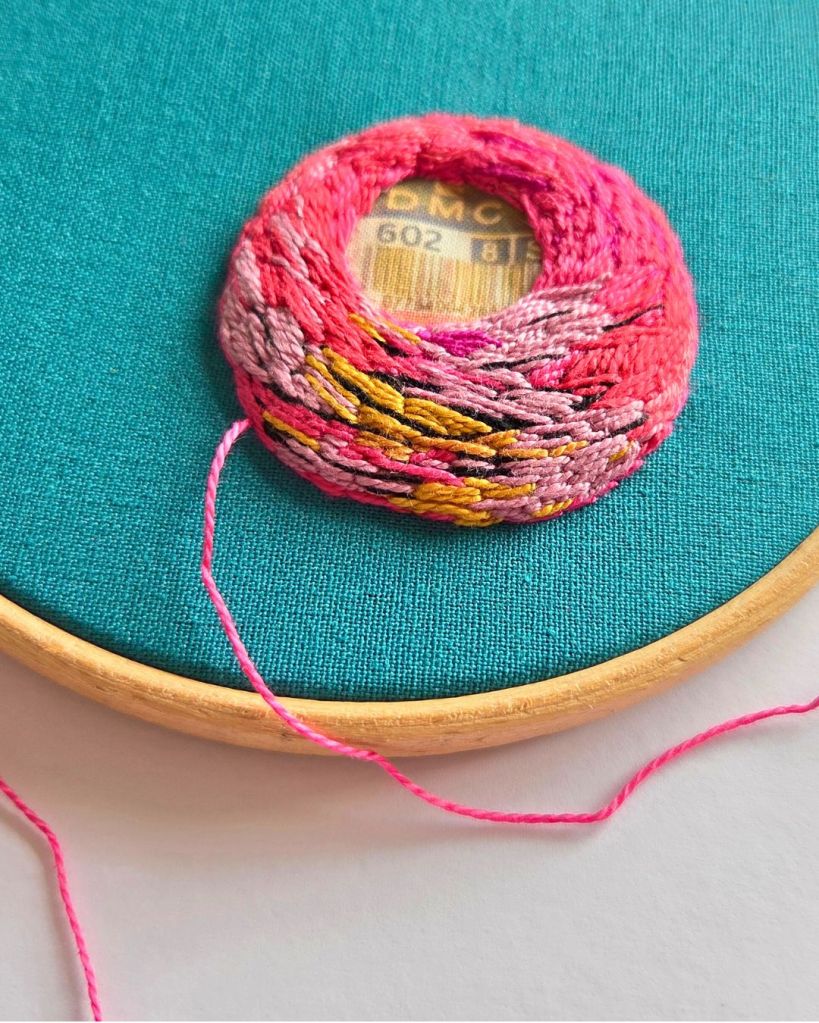
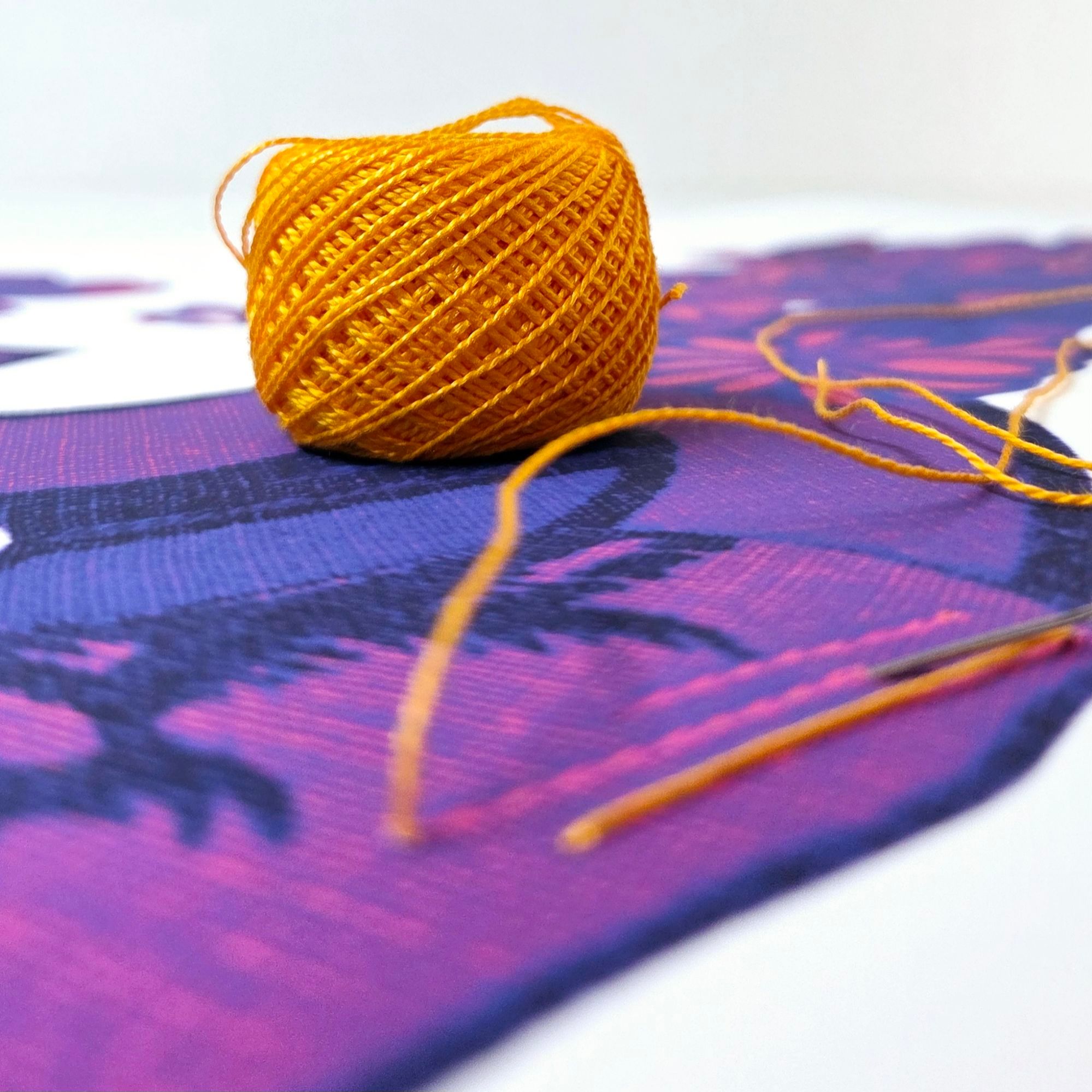
This latest piece used a filter in my phone gallery to create a high contrast image of a ball of DMC Cotton Perle. I’ve stitched the design using Perle thread and appliqued it to this bold turquoise fabric. It’s great to work with colour in such a bold way, something I’m not known for. I loved the technique so much I started a new piece straight away.

Back in March, I had the brilliant Mat Dale visit the studio to photograph some work. You can find new content in my portfolio which showcases what I’ve been working on over the last few years.

For regular updates about what I’m working on in the studio you can follow me on Instagram.

Learning New Tricks

I’ve been embroidering for over forty years but I’m always happy to learn a new skill. When I started designing my own embroidery patterns for workshop handouts in 2024 I wanted to try something different.

I’d had a small roll of Madeira Avalon in my fabric cupboard for the longest time and I wanted to try using it for a new workshop sample. I’d seen printed transfers for embroidery being sold online so I thought I’d make my own using a design I’d hand drawn. I used washi tape to attach a piece of the film to a sheet of A4 cardboard and printed it using my little inkjet printer.

I decided to work with my DMC Cotton Perle threads as they are colourfast and I knew they wouldn’t run when I came to wash away the stabilser. This is my top tip and you can check if your threads are colorfast by wetting them and leaving them to dry on a white piece of paper. This will highlight any colour transfer and save you lots of heartache.

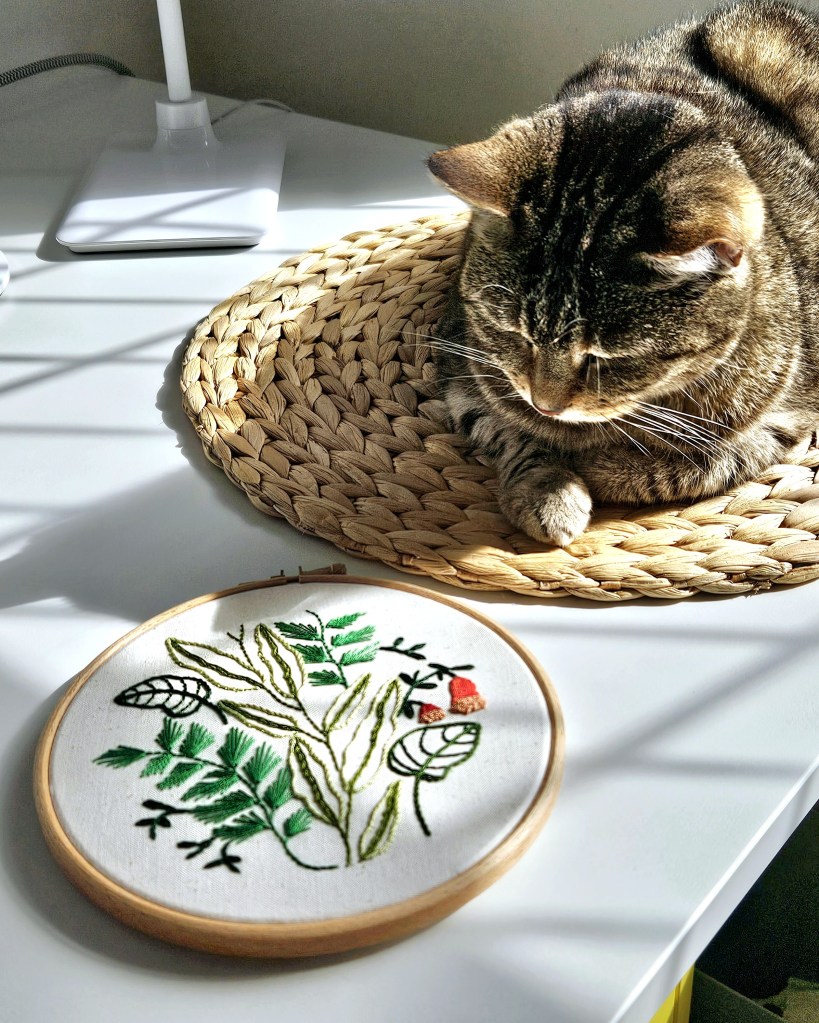
I love working with the different greens for botanical pieces and I added coral details for the floral elements of the design.

I used six stitches for this design, back stitch, stem stitch and chain stitch for the stems and leaf details. For the flowers I used satin stitch and clusters of French knots to create texture. I love to use simple straight stitch and the larger leaves really stand out in the design.

I really loved this finished design but I decided to refinine it for my embroidery workshops so it was more manageable in a few hours.

To wash away the film I used hot water from the tap which worked really well. I have actually put some pieces in my washing machine on a very short cycle with good results. I was very confident that the cotton canvas fabric and threads were colourfast which is very important.

It was great to try this new technique in my embroideries and I’ve used it loads on different designs. I’ve now discovered A4 sheets of a similar product by Brothread so I don’t need to tape it to cardboard anymore.

Storage Tips

I’m often asked about the best kind of storage to use for your craft supplies and I have a lot of materials and equipment in the studio. There’s no right answer to this question as storage is such a personal choice. I need to keep everything well organised so I can find it easily. I don’t want to waste my creative energy trying to find the fabric and thread for a project.

Good to Know…

If you take good care of your storage it will last for years. I regularly dust and wash my Really Useful Boxes to keep them looking great. You don’t have to spend lots of money on storage, you can repurpose old tins and boxes and give them a makeover with spray paint to add personality to your workspace.

Fabric Storage

I’ve always organised my fabric by type, I find this works well for me as I know that I can grab the right materials for the job. I use this vintage bookcase so my fabric looks good and isn’t just crammed into a stack of storage boxes. You could also use something like an Ikea bookcase or storage cubes.

I have separate stacks for each type and then for things like smaller vintage pieces or scraps for stitchscapes I use random storage baskets and bins to keep them contained within the cupboard. This means I can take them out easily if I’m working on a new stitchscape or looking for inspiration from my vintage pieces.

I keep my interfacing on cardboard tubes which looks great but I have to admit, they do roll out every now and then. To stop this being such a problem, I bought some clear acrylic book ends to wedge them in place.

Thread Storage

For the most commonly used hand stitching threads I decided to get some under desk drawers from Ikea for my DMC cotton perle and Gutermann hand quilting thread. This means I’m using the dead space under my pretty deep desk and I can grab a drawer and select the right thread. I organise them by type and colour as I find this really helpful and satisfying.

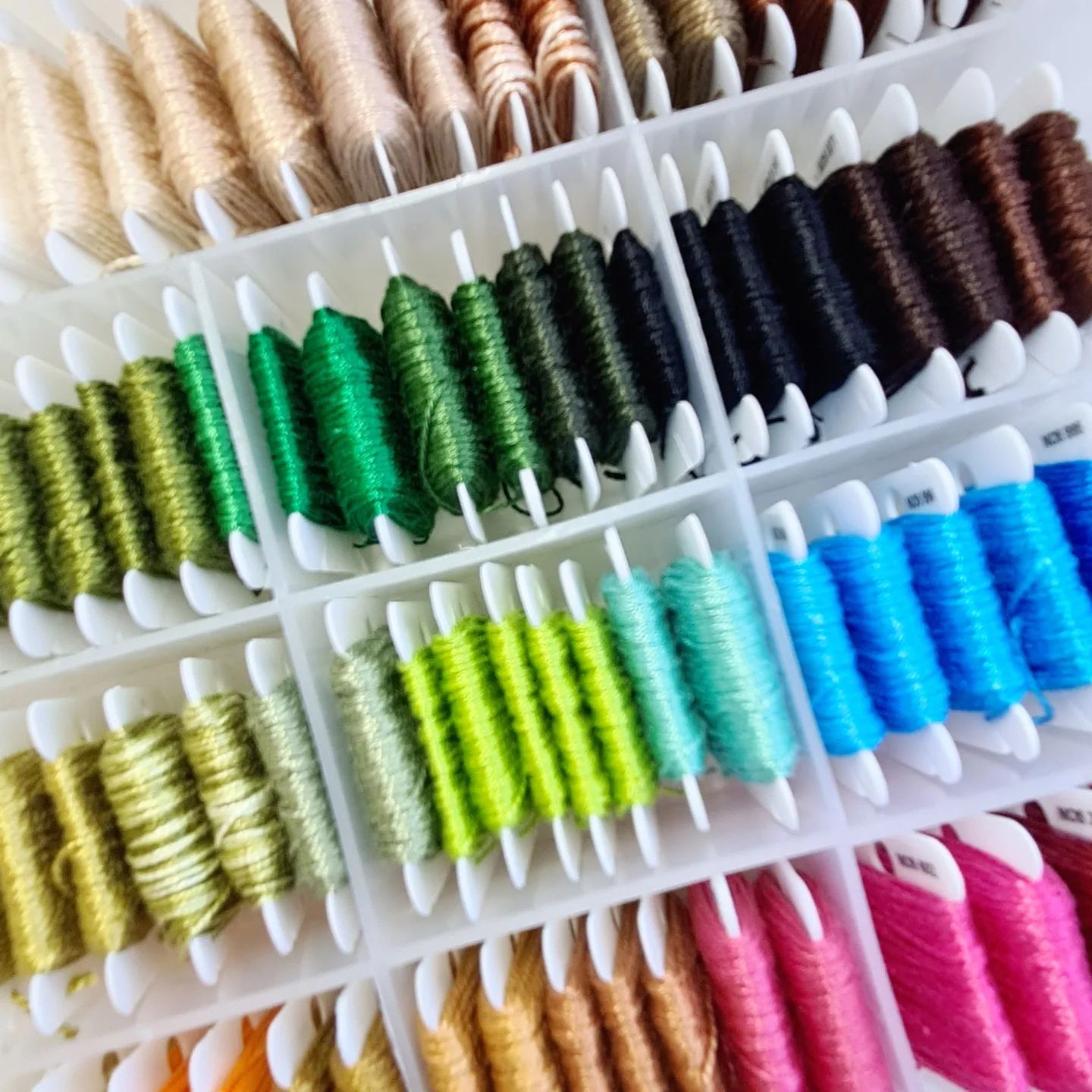
For my six stranded embroidery threads, I use the traditional thread storage boxes and reusable plastic bobbins. I can spend hours winding thread and sorting them by colour. It’s my relaxation activity. I also label my drawers and boxes to make finding things really easy.

Recently, I started buying DMC embroidery threads so I label each card with the type and colour so I can easily replace it for stock control and getting a colour match for projects and commissions.

Labelling

I love a label maker; I have a traditional Dymo machine that makes the embossed labels but I also have a Dymo Letratag electronic label maker. I use clear plastic labels and black text; it looks really sleek and professional on my shelves. I love labelling everything in my house from the kitchen to the garage. I will label something even if you can see the contents, this helps if I have a workshop in the studio or if my husband is helping me with something.

Because I love a template and using my laptop, I have a template drafted in Powerpoint with text boxes for labels that fit in my thread drawers and plan chest drawers. This means that I can type them out easily and then cut them out and place in the mounting plates. The dream is to have my handwriting turned into a font so it can be all handwritten one day.

Tip…

If you have sticky labels that are hard to peel off your boxes, use a piece of tissue or an old cloth and some Zippo lighter fluid or hairspray. It gets sticky mess cleaned up easily from plastic and metal but remember to wash your hands and wipe away any excess with a cloth.

***Please note that this is just my personal observation on the products I use regularly, everyone has their favourites and I recommend trying lots of different types to find the best one for you. ***