Storage Tips

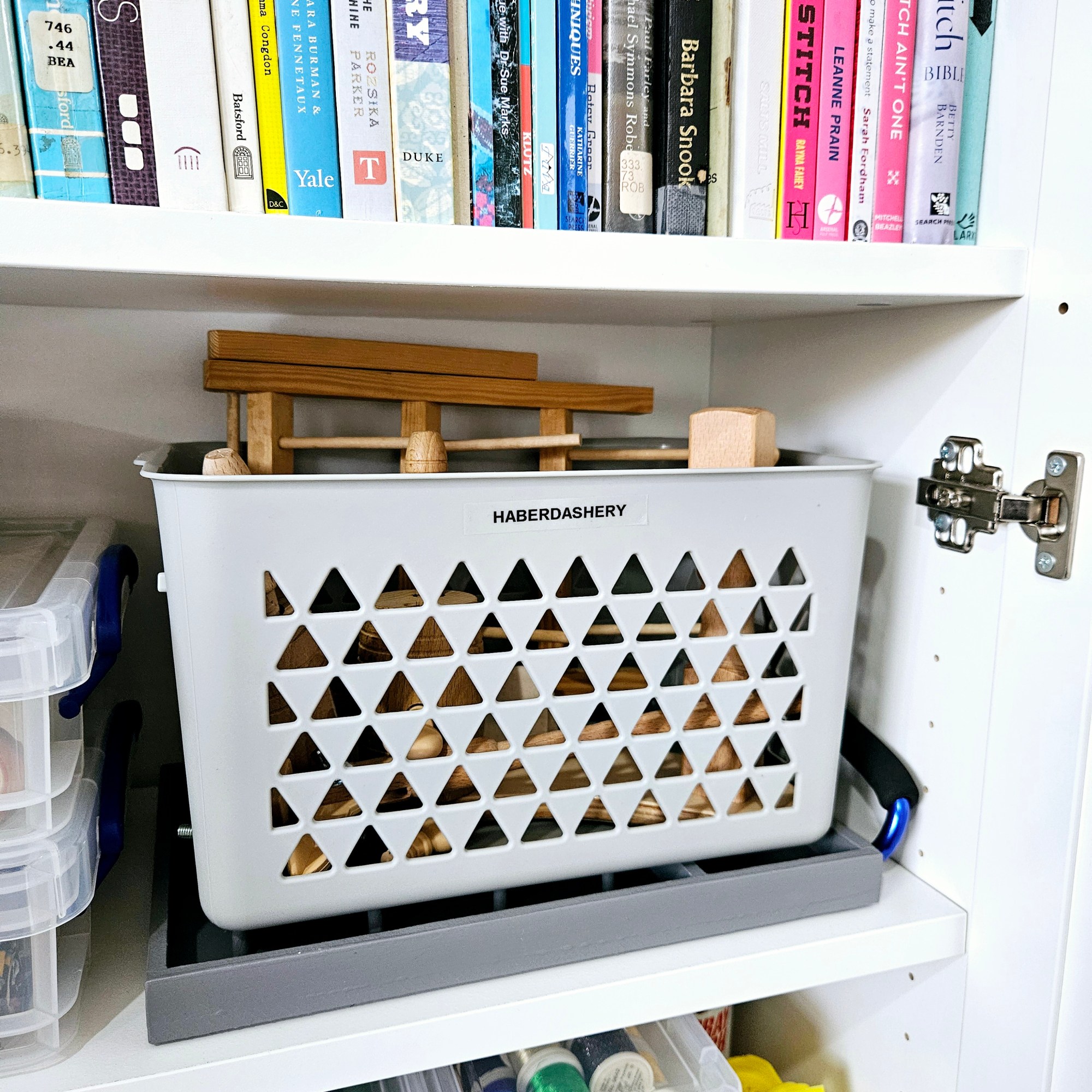
I’m often asked about the best kind of storage to use for your craft supplies and I have a lot of materials and equipment in the studio. There’s no right answer to this question as storage is such a personal choice. I need to keep everything well organised so I can find it easily. I don’t want to waste my creative energy trying to find the fabric and thread for a project.

Good to Know…

If you take good care of your storage it will last for years. I regularly dust and wash my Really Useful Boxes to keep them looking great. You don’t have to spend lots of money on storage, you can repurpose old tins and boxes and give them a makeover with spray paint to add personality to your workspace.

Fabric Storage

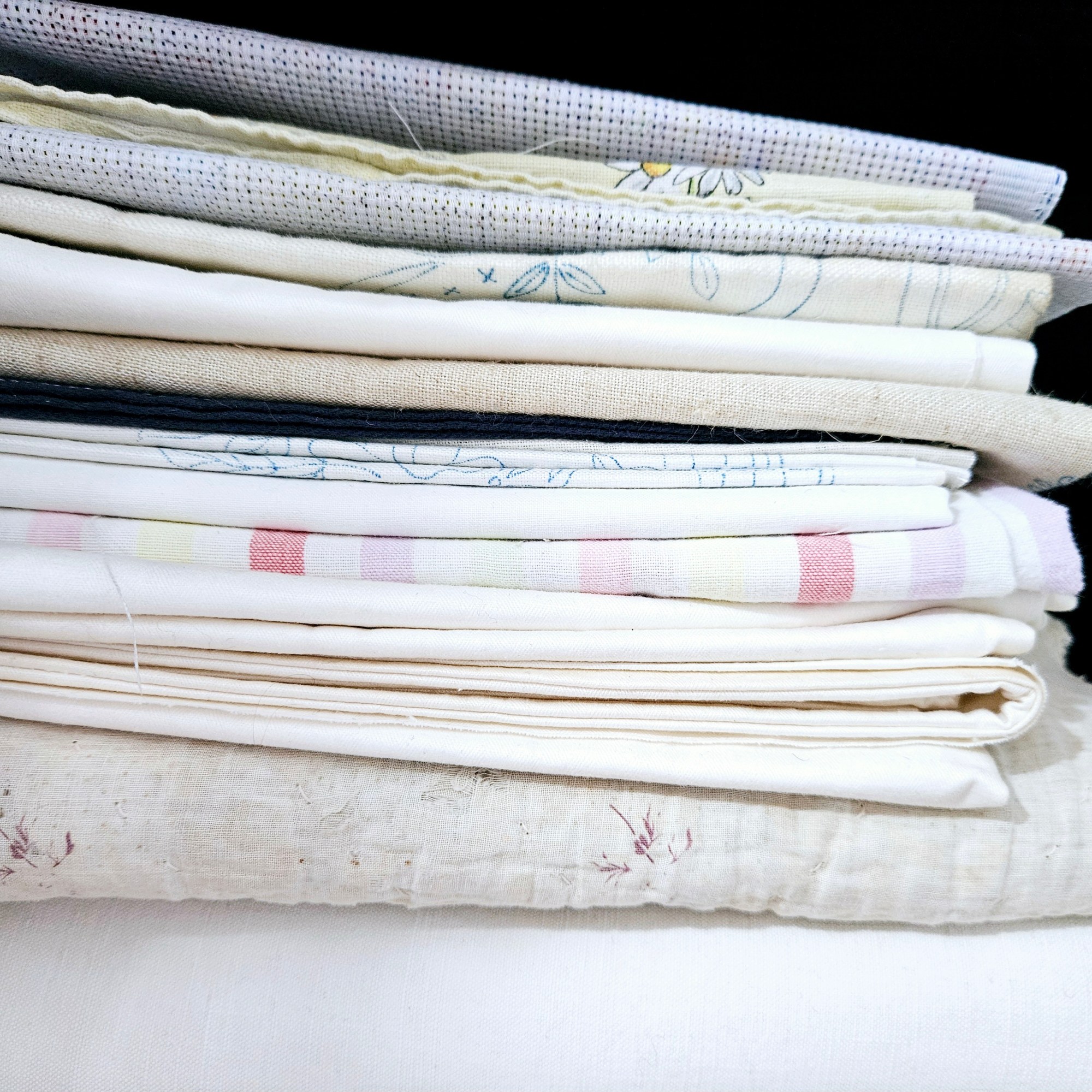
I’ve always organised my fabric by type, I find this works well for me as I know that I can grab the right materials for the job. I use this vintage bookcase so my fabric looks good and isn’t just crammed into a stack of storage boxes. You could also use something like an Ikea bookcase or storage cubes.

I have separate stacks for each type and then for things like smaller vintage pieces or scraps for stitchscapes I use random storage baskets and bins to keep them contained within the cupboard. This means I can take them out easily if I’m working on a new stitchscape or looking for inspiration from my vintage pieces.

I keep my interfacing on cardboard tubes which looks great but I have to admit, they do roll out every now and then. To stop this being such a problem, I bought some clear acrylic book ends to wedge them in place.

Thread Storage

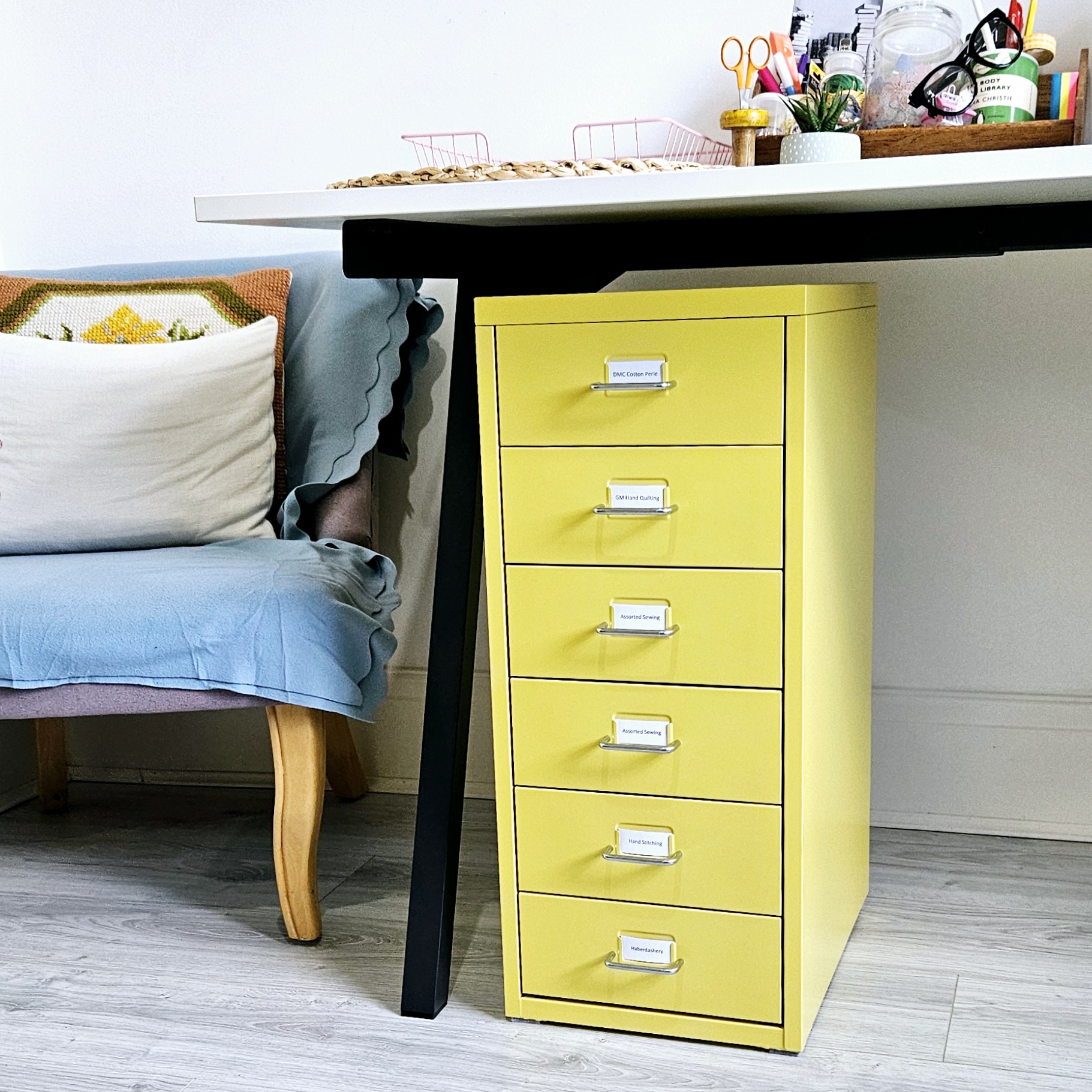
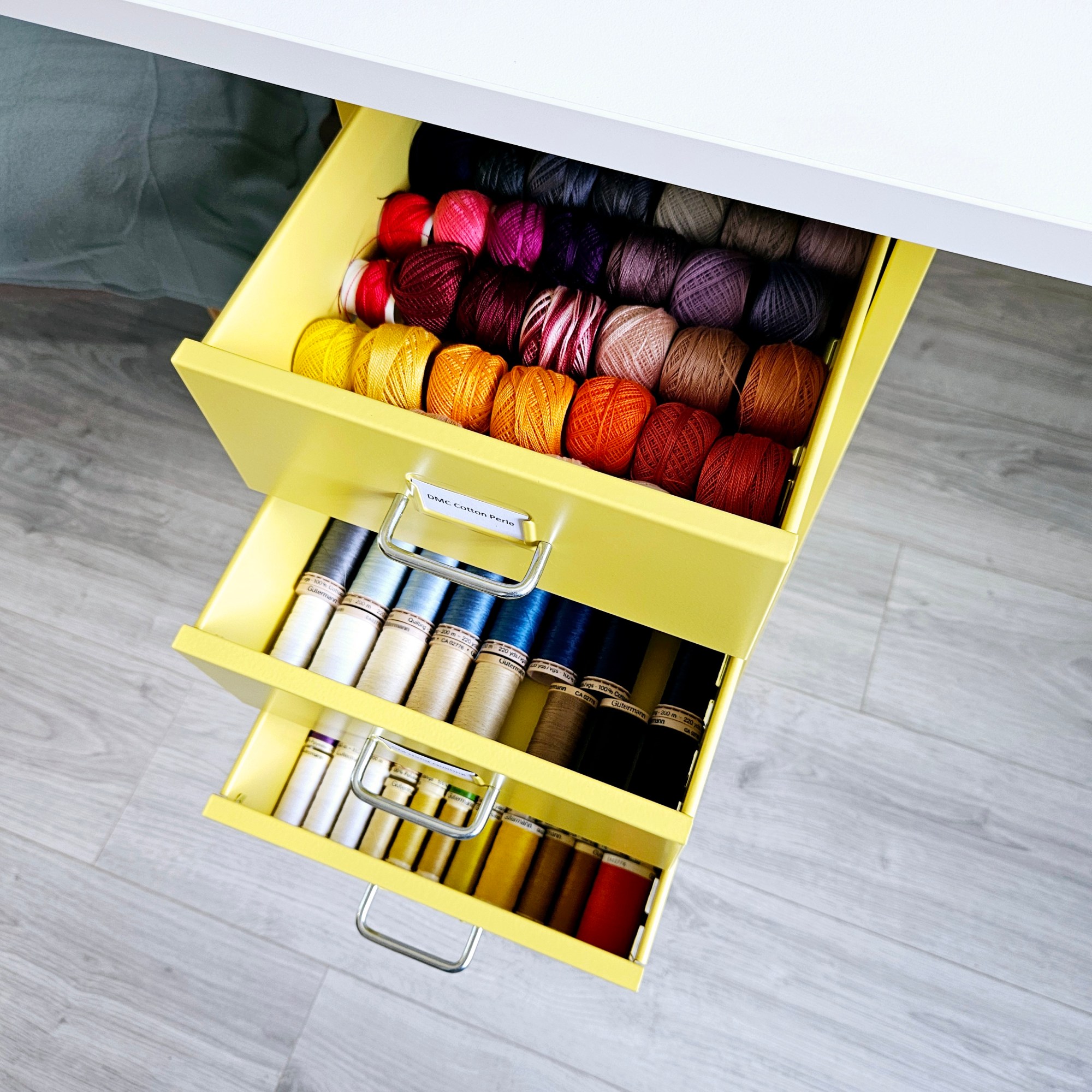
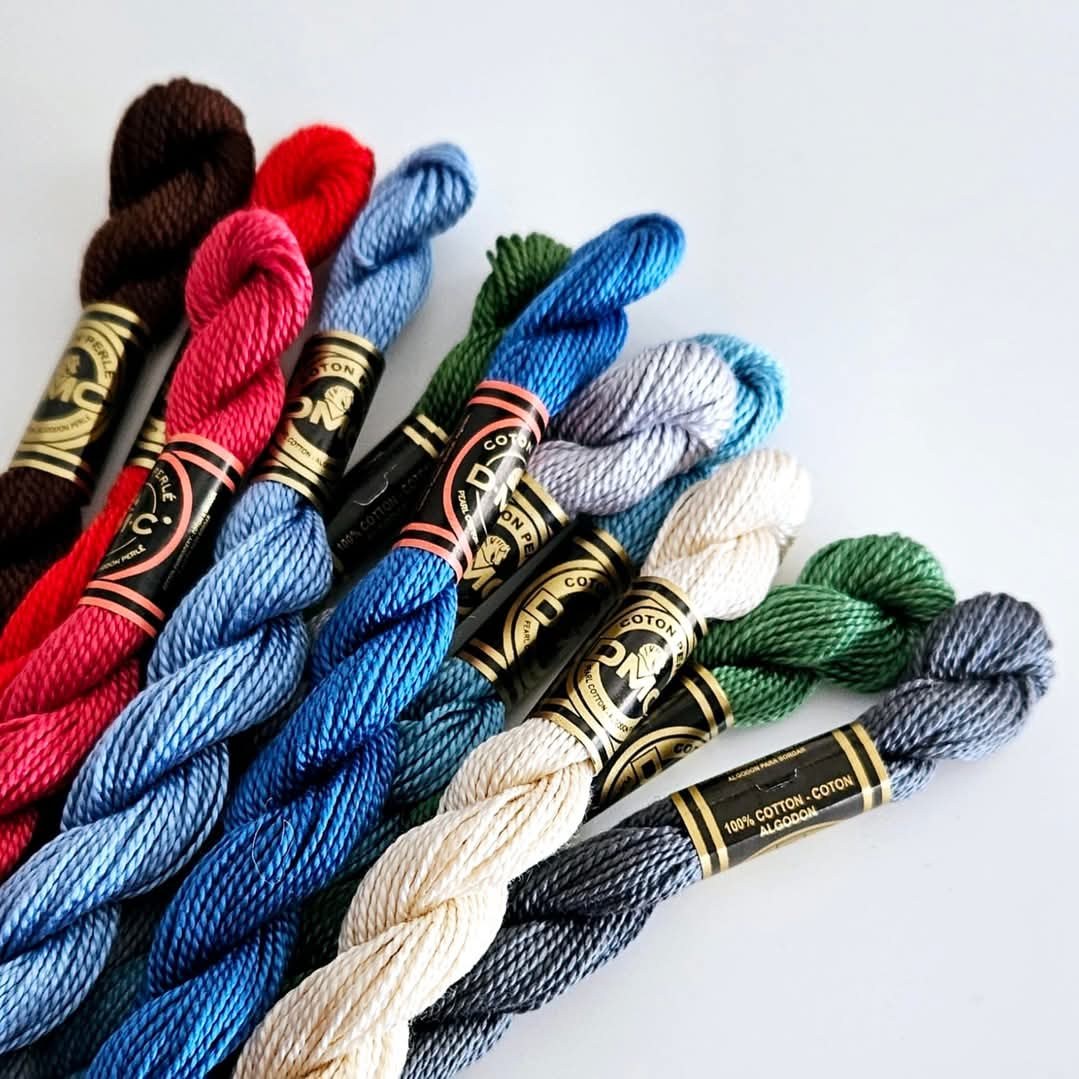
For the most commonly used hand stitching threads I decided to get some under desk drawers from Ikea for my DMC cotton perle and Gutermann hand quilting thread. This means I’m using the dead space under my pretty deep desk and I can grab a drawer and select the right thread. I organise them by type and colour as I find this really helpful and satisfying.

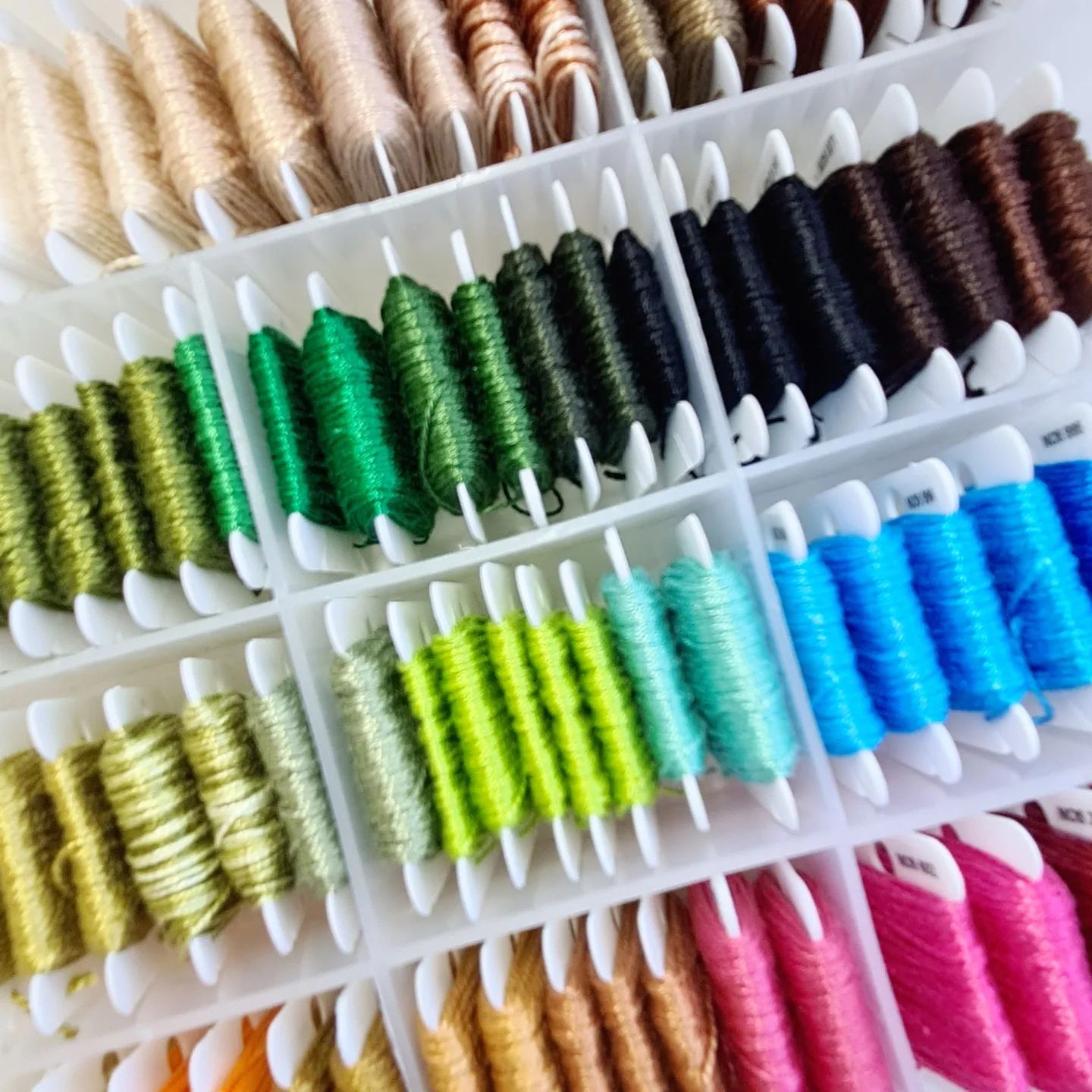
For my six stranded embroidery threads, I use the traditional thread storage boxes and reusable plastic bobbins. I can spend hours winding thread and sorting them by colour. It’s my relaxation activity. I also label my drawers and boxes to make finding things really easy.

Recently, I started buying DMC embroidery threads so I label each card with the type and colour so I can easily replace it for stock control and getting a colour match for projects and commissions.

Labelling

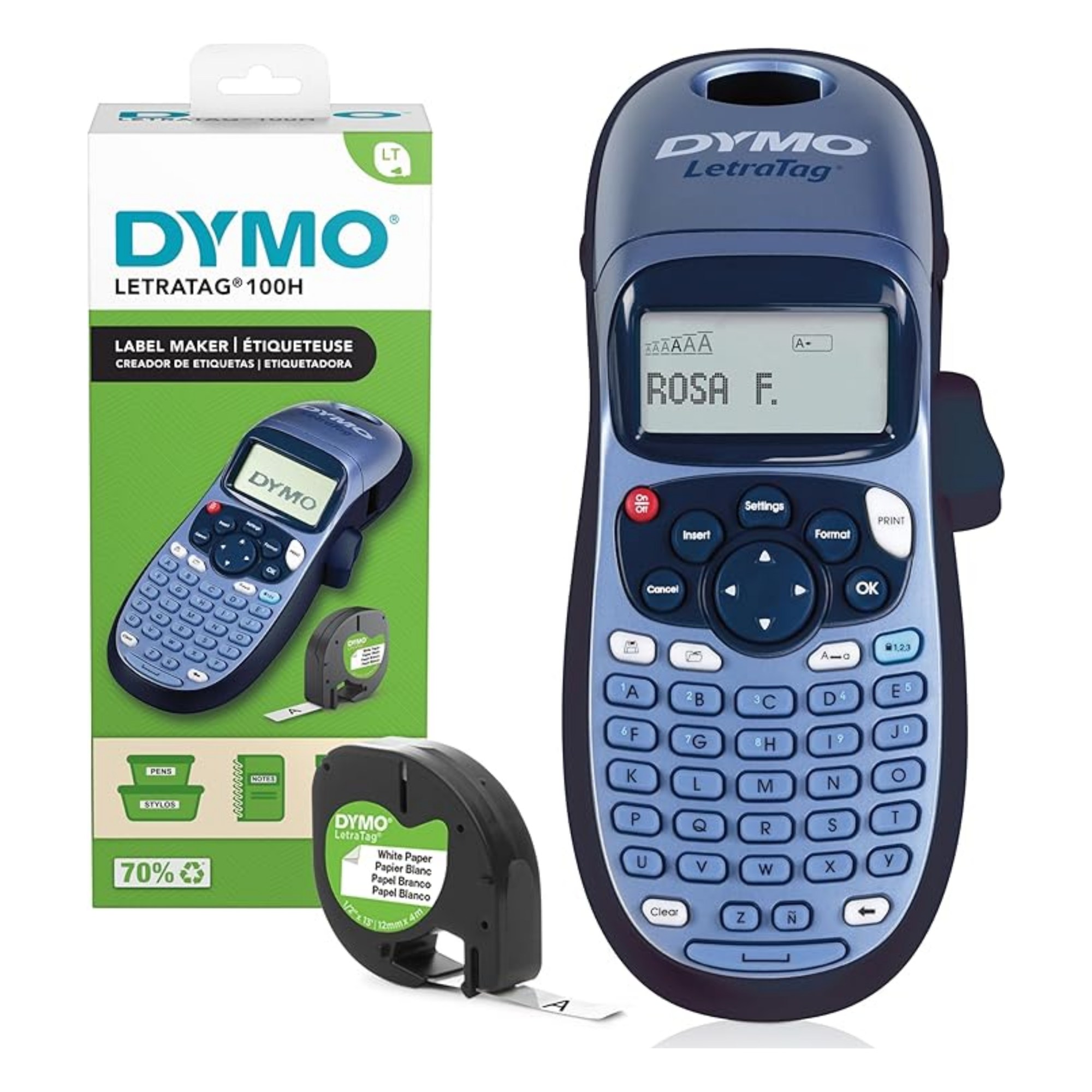
I love a label maker; I have a traditional Dymo machine that makes the embossed labels but I also have a Dymo Letratag electronic label maker. I use clear plastic labels and black text; it looks really sleek and professional on my shelves. I love labelling everything in my house from the kitchen to the garage. I will label something even if you can see the contents, this helps if I have a workshop in the studio or if my husband is helping me with something.

Because I love a template and using my laptop, I have a template drafted in Powerpoint with text boxes for labels that fit in my thread drawers and plan chest drawers. This means that I can type them out easily and then cut them out and place in the mounting plates. The dream is to have my handwriting turned into a font so it can be all handwritten one day.

Tip…

If you have sticky labels that are hard to peel off your boxes, use a piece of tissue or an old cloth and some Zippo lighter fluid or hairspray. It gets sticky mess cleaned up easily from plastic and metal but remember to wash your hands and wipe away any excess with a cloth.

***Please note that this is just my personal observation on the products I use regularly, everyone has their favourites and I recommend trying lots of different types to find the best one for you. ***

How To Keep Costs Down

In these posts I like to share some tips and tricks with you to make your embroidery projects easier. In this post I’m responding to a question I get asked at my workshops

“Do I need to buy expensive materials and equipment for embroidery?”

Starting a new hobby can be expensive, especially when you have lots of ideas but don’t know where to start. In this post I will talk about the areas where you can save money and what you need to spend a bit more money on. There are lots of ways to save money and if you have any top tips I’d love to hear them.

Embroidery Threads

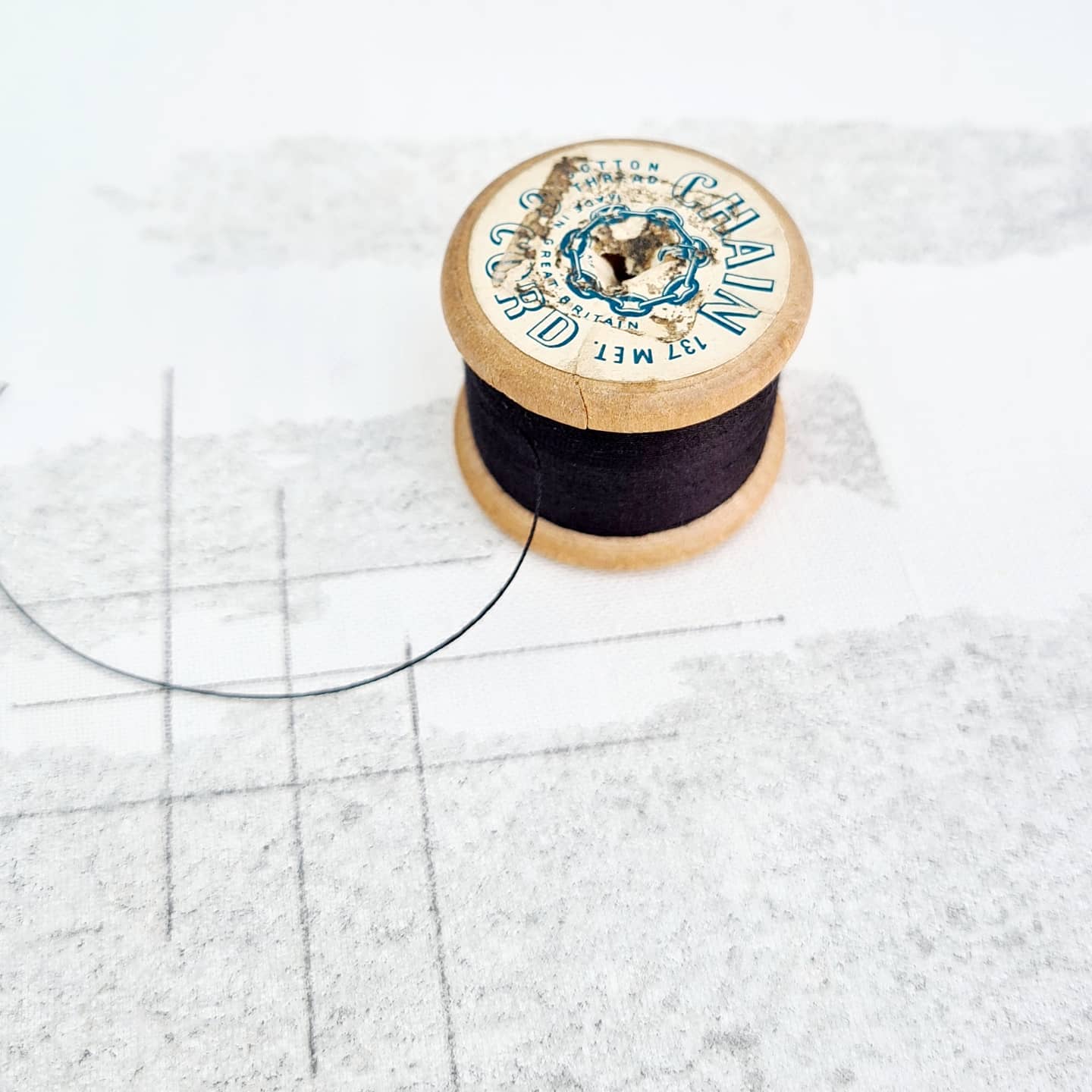
Embroidery threads vary quite dramatically in price. In my stash I have DMC threads like Cotton Perle and stranded cotton that are great to stitch with but prices start at £1.25 for a skein of stranded cotton and up to £3.50 for a ball of perle thread. My stranded cotton boxes of thread also contain bargains from the pound shop that cost £1.00 for 20 skeins. I’ve used these threads on commission pieces and for workshops and I’m happy with the results.Your local charity shop, vintage shop or car boot sale is a great place to find good quality second hand threads. I’ve picked up expensive brands like Coats and Gutermann for less than £1.00 for a reel. I usually wind off a bit of the outside layer as it can be faded, although the colour faded reels create an interesting variegated thread to work with.

Scissors

Because of the amount of embroidery I do, I have an expensive pair of curved tip scissors that retail for about £15.00. For years and all through my degree I used nail scissors from Home Bargains that cost around £3.00 a pair. If you do a lot of stitching, I would use small scissors as cutting thread with a larger pair can damage the blades.

For larger scissors, you can pick up a pair from shops like B&M and IKEA. Make sure you keep them for fabric only, they will stay sharp enough to use for ages. Prices start from as little as £1.50 a pair.

Needles

Needles are one of the areas I don’t like to skimp on, I’ve had frustrating experiences with cheap needles. They are made of poor quality metal and can easily break, the eye is also badly punched out. A poorly punched out eye can damage your threads and be hard to get threaded in the first place.

I like to use needles by John James or Prym, they can be picked up online and in haberdashery shops. Prices start at £2.75 for an assorted pack of needles. You don’t have to buy the specialist embroidery needles either, an assorted pack will have something that works for embroidery. Once you’ve decided that embroidery is the craft for you, pick up a pack of the type of needle you find best to use.

Remember…

You can use calico tote bag freebies to embroiderer onto, I know you have a stash of them in the bottom of the wardrobe. I’ve also picked up fabric from charity shops and used worn clothes and bedding for fabric. The charity shop is your friend for bargains like threads and embroidery hoops too. You can get embroidery kits from shops like Aldi and The Works that have good quality bamboo embroidery hoops in them. An embroidery hoop will last a lifetime if you take good care of it. You can sand away rough edges of a hoop using a emery board, this will prevent it from snagging your fabric.

Notes from the Studio

One of my goals for 2025 is to enjoy being in the studio, I fell out of love with my studio in 2024, feeling uncomfortable physically and mentally. In January, I decided to start spending at least 30 hours a week in the studio. It’s been great to get back to being in the space and find that creative spark. I’m lucky to have a studio space at home so I can co-work with my husband and the cat, it means I can work in my pyjamas too.

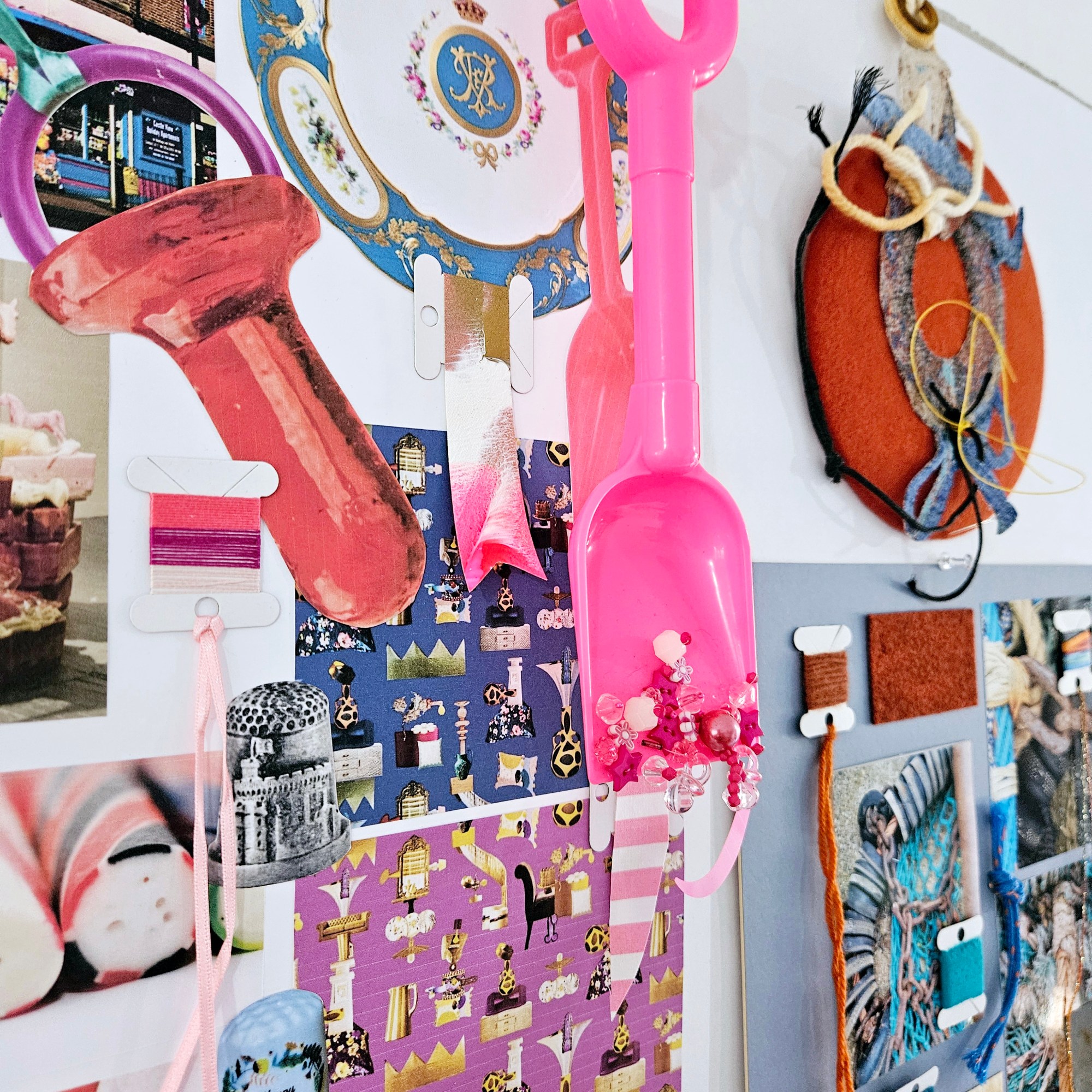
I’ve been reflecting on past work where I just created one or two exhibition pieces for the title. It was great to put these ideas on my studio board and find common themes and techniques. It’s clear that I have a strong connection with the following:

  1. Using objects in my work
  2. Combining hand and digital embroidery
  3. A bright colour palette
  4. 3D embellishments
  5. Circular framing

I’ve also built reflection time into my weekly tasks so I can see what I’ve been working on and where I want to go next.

I’ve kept up with my goal of stitching every day, whether it’s in the studio or out and about. It’s great to have a series of small projects on the go so I can do what I love. A random bit of embroidery using fabric and thread scraps can spark so many ideas. I’ve worked on a stitchscape that I carry around in my rucksack for on the go, a new idea exploring maps and an abstract piece using scraps.

I love stitching in a cafe or on the train, it sparks conversations with people about what I’m working on and how relaxing stitching is. I have a homemade travel sewing kit in my bag at all times and I keep a few small projects in an A5 paper box.

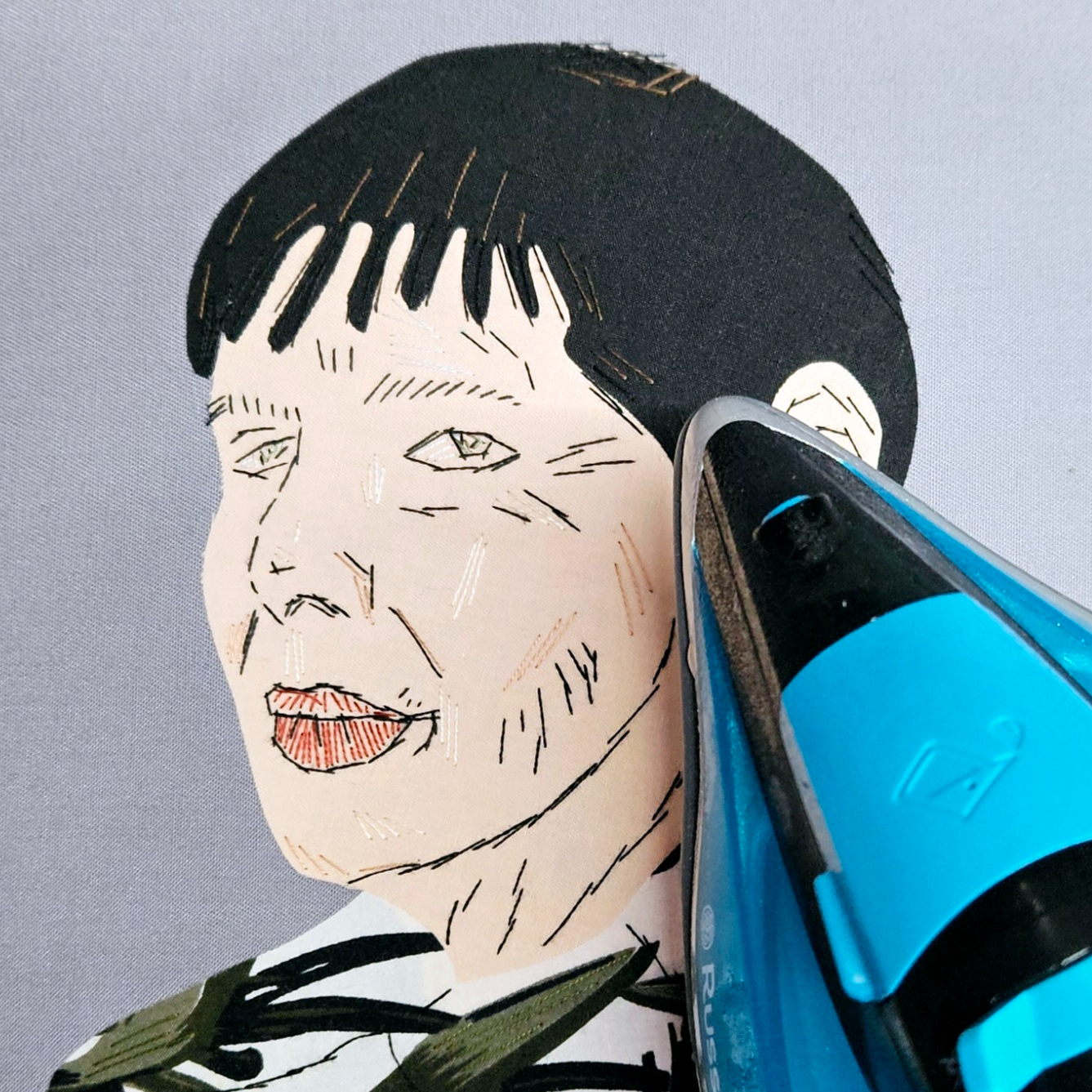
It’s important to learn new skills as an artist, especially when you spend a large percentage of your time teaching others. I took advantage of a free workshop on offer from TextileArtist as part of their Stitch Club promotion. Learning to create stitched portraits in a new way with textile artist Susie Vickery was so freeing. I used techniques I knew but in a different way, exploring the layers of fabric before adding stitching to create details, light and shadow.

For regular updates about what I’m working on in the studio you can follow me on Instagram.

Hello 2025

A new year is here and I’m looking forward to seeing what 2025 has in store. Last year was intentionally a very quiet one for me. After the busiest year of my career in 2023, I was tired and needed time to relax and evaluate what I want to do as I move forward in my freelance career.

I taught some wonderful courses and workshops with Leeds Central Library in 2024 and worked on a big commission for Polite Rebellion which tapped into my own work, telling stories and sharing personal narratives. Perhaps the most important achievement in 2024 was learning to relax and take time out for selfcare.

In December, I turned 45 and celebrated 12 years of freelance life. Things have changed since those early days as an artist and tutor and I’ve worked with some incredible people and organisations. I was sad to say goodbye to Artlink West Yorkshire who I’ve worked with since 2018. Their closure was a hard time for the participants, who explored creativity and came together through their projects.

During my winter break, I’ve been reflecting on the last year and spending more time in the studio. I didn’t create much work in the second half of the year, instead I focussed on marketing and finding the balance between creating work and creating content, which was a big change for me.

I don’t enjoy resolutions but I do like to do some goal setting for the year ahead so here is my list for 2025…

  1. Embroider or sew every day, this doesn’t have to be the same piece but I want to make sure I take time to do what I love each day
  2. Plan ahead more for my social media content so it doesn’t become a stressful chore
  3. Enjoy being in the studio, this is something I lost which impacted my creativity
  4. Focus on what I want to achieve and make sure I prioritise myself
  5. I would like to start more projects sharing the skills I love here in Scarborough

I’m looking forward creating new work in 2025 for exhibitions and sharing my skills in workshops and courses across Yorkshire. For regular updates about upcoming workshops and events you can sign up to my monthly newsletter, and for cat pictures, work in progress and general weirdness follow me on Instagram.